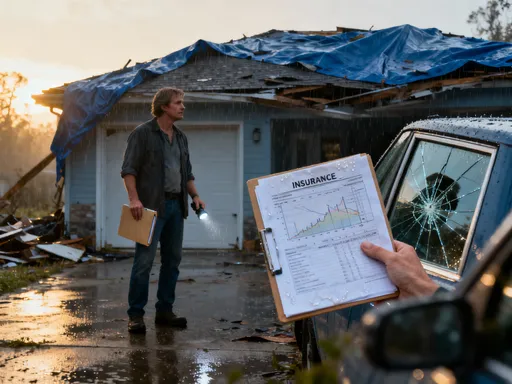
How I Prepare for Life’s Surprises—My Real Financial Strategy
Accidents happen when we least expect them. A sudden injury, a car crash, or an emergency surgery can shake not just your health—but your wallet too. I learned this the hard way. What looked like a small mishap turned into a financial storm. That’s when I realized: real financial strength isn’t about how much you earn, but how ready you are. This is how I built a practical, stress-tested plan to protect myself—without overcomplicating it. It wasn’t about getting rich or chasing high returns. It was about peace of mind, knowing that if life threw a curveball, I wouldn’t be knocked off my feet. The journey began with a single moment of crisis, but it led to lasting change.
The Wake-Up Call: When Life Hits Hard
It started with a fall—just a misstep on a rainy sidewalk. What seemed minor quickly spiraled. A fractured ankle required surgery, then weeks of physical therapy. I was unable to work for over two months. At first, I thought my savings would cover it. But medical bills piled up, co-pays added up faster than expected, and lost income created a gap I hadn’t anticipated. Within six weeks, my savings were nearly gone. The emotional toll was just as heavy. I felt anxious every time the phone rang—was it another bill? A reminder about missed payments? I had always considered myself financially responsible. I paid my bills on time, avoided credit card debt, and even contributed to a retirement account. But responsibility isn’t the same as readiness. I had planned for the expected—groceries, rent, vacations—but not for the unexpected. That experience changed my perspective completely. I realized that financial health isn’t measured by how much you save during calm times, but by how well you withstand the storm. Budgeting is important, but it’s only one piece of the puzzle. Without a true safety net, even a middle-income household can slide into financial instability in weeks. This wasn’t a wake-up call about overspending—it was a lesson in under-preparing. From that point forward, I committed to building a financial strategy rooted not in optimism, but in realism. One that assumed something could go wrong—and was ready when it did.
Emergency Fund: More Than Just a Savings Account
An emergency fund is often described as three to six months of living expenses. But that rule of thumb doesn’t account for individual circumstances. For someone with a stable job and low fixed costs, three months might suffice. For a single parent, a self-employed worker, or someone with health concerns, six months may not be enough. I learned that the real value of an emergency fund isn’t in the number—it’s in accessibility, consistency, and purpose. This isn’t a vacation fund or a down payment stash. It’s a dedicated buffer for true emergencies: medical crises, sudden job loss, urgent home repairs. The key is to treat it as a separate entity. I opened a high-yield savings account at a different bank from my primary one. This creates a small barrier to impulse withdrawals while still allowing quick access when needed. I automated a transfer of 5% of my income each month, even when money was tight. At first, it was only $50 a month. But over two years, it grew into a cushion that now covers eight months of essential expenses. The goal wasn’t speed—it was sustainability. I didn’t aim for perfection. Some months I added less; others, I had to dip into it briefly. But each time, I made a plan to refill it. What matters most is that the fund exists and is protected. It’s not about earning high interest—it’s about having cash when the world doesn’t wait. I also made sure the account was FDIC-insured and kept below the $250,000 limit to ensure full protection. This isn’t a speculative account. It’s a financial anchor. When unexpected costs arise, I no longer panic. I assess the situation, use the fund if necessary, and adjust my budget to recover. That simple shift—from fear to control—has been transformative.
Insurance Decoded: Choosing What Actually Protects You
After my accident, I assumed my health insurance would cover most costs. But I quickly learned the difference between coverage and actual protection. My plan had a high deductible, and many therapy sessions were only partially reimbursed. I also discovered I had no disability insurance through work. That gap cost me thousands in lost income. Insurance, I realized, isn’t a one-size-fits-all solution. It’s a tool that must be carefully selected and understood. I began reviewing every policy I had—health, auto, renters, life—and reading the fine print. I focused on three key areas: coverage limits, exclusions, and out-of-pocket maximums. For health insurance, I switched to a plan with a lower deductible and broader network, even if the monthly premium was slightly higher. The trade-off made sense—predictable costs during a crisis are worth more than minor savings in calm times. I also purchased short-term disability insurance, which covers a portion of income if I’m unable to work due to injury or illness. It’s not expensive—about $30 a month—but it provides a crucial income bridge. I also looked into accident insurance, a supplemental policy that pays a lump sum for specific injuries. While not essential for everyone, it made sense for me given my active lifestyle. The key was not to buy more coverage, but the right coverage. I avoided policies with overlapping benefits or vague terms. I asked questions: What triggers a claim? How long does approval take? What documentation is required? I even called customer service to test responsiveness before committing. Real protection isn’t about having every policy—it’s about having the ones that align with your real risks. I also reviewed my beneficiaries and updated them regularly. Insurance isn’t just about money—it’s about ensuring your family isn’t burdened if something happens. Now, I review all policies annually, not just at open enrollment. Life changes—jobs, health, family—and insurance should too.
Income Backup: Planning for When You Can’t Work
Losing income during recovery was one of the hardest parts of my accident. I could manage medical bills, but not the silence of no paycheck coming in. That experience taught me that protecting income is just as important as saving money. Most people assume their job will always be there, or that paid leave will cover a long absence. But many employers offer only a few weeks of short-term disability—if any. I now see income protection as a core part of financial resilience. I started by understanding what my employer offers. I reviewed HR policies, asked about sick leave, and learned about state disability programs. In my state, short-term disability provides up to 60% of wages for 26 weeks. That’s helpful, but not enough to maintain my standard of living. So I supplemented it with the private disability policy I mentioned earlier. I also began building a side income buffer—small, low-effort streams that could continue even if I was limited physically. I started a simple blog about personal finance, which now earns a modest but steady income through affiliate links and ads. It’s not a fortune, but it’s something. I also digitized important documents—employment records, tax returns, medical reports—so they’re accessible if I ever need to file a claim quickly. I keep them in a secure cloud folder with trusted family members as backups. I also created a one-page financial summary: bank accounts, insurance policies, contact numbers, and monthly obligations. This ensures someone can step in if I’m unable. I practice mental readiness too. I ask myself: What if I couldn’t work for three months? Six? A year? What systems would I activate? Having answers reduces panic. Income isn’t just about earning—it’s about continuity. By planning for disruption, I’ve gained confidence that I can weather a long absence without falling behind.
Debt Management: Why It’s a Risk Multiplier
Before my accident, I had a small car loan and a credit card balance I paid off monthly. But when income stopped, even those modest debts became stress points. Minimum payments ate into my emergency fund. I realized that debt, especially high-interest debt, acts as a risk multiplier during crises. It doesn’t just reduce flexibility—it increases pressure. When you’re already stressed about medical recovery, the last thing you need is a collection call. I made a decision: reduce fixed liabilities wherever possible. I paid off my car loan early and switched to using cash or debit for daily spending. I closed high-interest credit cards and kept only one with a low rate and no annual fee. I also reviewed my credit report and improved my score by paying down balances and avoiding new applications. A higher credit score doesn’t just help with loans—it can lower insurance premiums and increase approval odds if emergency credit is ever needed. But I don’t rely on credit as a safety net. Loans and credit cards may offer temporary relief, but they come with interest and repayment obligations that can trap you in a cycle. Instead, I focus on minimizing debt before a crisis hits. I follow the debt snowball method—paying off smaller balances first to build momentum. It’s not the most mathematically efficient, but it’s psychologically effective. I also avoid lifestyle inflation. When I get a raise, I don’t increase spending—I allocate half to savings and half to debt reduction. This keeps my debt-to-income ratio low and my financial foundation strong. I now see debt not as a tool, but as a liability that reduces resilience. In a crisis, every dollar of debt is a dollar you can’t control. By minimizing it, I’ve created more breathing room—space to recover without financial suffocation.
Smart Investments: Liquidity Over Returns in Crisis Prep
For years, I focused on growing my investments—401(k), IRA, index funds. I tracked returns, celebrated gains, and aimed for long-term wealth. But during my recovery, I realized something uncomfortable: most of those assets were locked up. I couldn’t access my retirement accounts without penalties. My brokerage account was in the stock market, subject to volatility. When I needed cash, liquidity mattered more than returns. That shifted my investment mindset. I now allocate part of my portfolio to accessible, low-risk assets. I keep a portion in short-term bond funds and money market accounts. These don’t offer high growth, but they’re stable and can be converted to cash quickly. I also diversified within my retirement accounts—adding target-date funds and balanced portfolios that reduce risk as I age. I no longer chase high-risk stocks or speculative investments with money I might need in the next five years. Instead, I follow a tiered approach: emergency fund (cash), income protection (insurance), and long-term growth (investments). Each layer has a purpose. I also review my asset allocation annually, adjusting based on life changes. For example, after my accident, I temporarily shifted more into conservative holdings until my emergency fund was restored. I also avoid emotional decisions. Market drops don’t trigger panic selling. I know my essential needs are covered elsewhere. This structure allows me to stay invested for growth while protecting against short-term shocks. I also educate myself on tax implications—knowing which accounts allow penalty-free withdrawals for medical expenses, for example. Knowledge is part of liquidity too. When you understand your options, you don’t make rushed, costly decisions. Today, my investment strategy balances patience with practicality. I aim for growth, but never at the expense of readiness.
The Full Picture: Building Your Personal Safety Net
Financial resilience isn’t built on a single action—it’s the result of multiple layers working together. My safety net includes a fully funded emergency account, proper insurance coverage, income protection, low debt, and accessible investments. But it’s not static. I review the entire system every six months. I ask: Has my income changed? Do I have new dependents? Are my insurance policies still relevant? I also consider life transitions—aging parents, home ownership, career shifts—and adjust accordingly. For example, when I started working remotely, I updated my disability policy to reflect my new work environment. I also involve trusted family members in the process. I’ve shared my financial summary and emergency contacts with my sister, so she can assist if needed. This isn’t about losing control—it’s about ensuring continuity. I also practice mental discipline. I avoid comparing my progress to others. Financial readiness isn’t flashy. It doesn’t show up in luxury purchases or social media posts. It shows up in quiet confidence. I also avoid common pitfalls: over-insuring, under-saving, or relying on optimism instead of planning. I stay informed by reading reputable financial sources and consulting fee-only advisors when needed. I don’t follow trends or get swayed by 'get-rich-quick' schemes. My goal is stability, not spectacle. I’ve also learned to accept imperfection. No plan covers every scenario. But a good plan covers the most likely ones. By focusing on what I can control—savings rate, debt level, insurance choices—I reduce anxiety about what I can’t. This holistic approach has transformed my relationship with money. It’s no longer a source of stress—it’s a tool for peace.
Conclusion: Strength in Readiness, Not Perfection
True financial security isn’t about avoiding accidents—it’s about not breaking when they come. My journey taught me that resilience isn’t built in moments of crisis, but in the quiet, consistent choices made long before. It’s in the monthly transfer to savings, the careful review of an insurance policy, the decision to pay off debt instead of upgrading a phone. These actions don’t make headlines, but they build strength. I no longer measure success by account balances alone. I measure it by calm—by the ability to face the unexpected without fear. I still don’t know what the future holds. But I know I’m better prepared. The goal isn’t to predict every risk, but to stand firm when life surprises you. That’s not luck. It’s planning. And it’s available to anyone willing to start—not with a windfall, but with a decision. A decision to protect, to prepare, and to prioritize peace over impulse. That’s the real return on investment.