How I Weathered the Storm: Smarter Money Moves When Disaster Hits
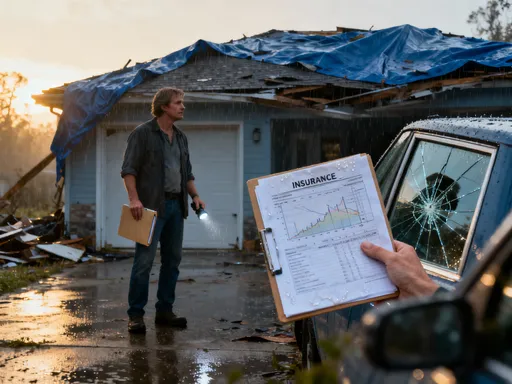
Natural disasters don’t just wreck homes—they wreck budgets. I learned this the hard way when a hurricane wiped out my town. Insurance didn’t cover everything, and emergency cash ran out fast. That’s when I realized most of us aren’t financially ready for real chaos. The storm passed in hours, but the financial fallout lasted years. Medical bills from untreated conditions during the blackout, missed work, contractor scams, and rising insurance premiums chipped away at my stability. This is how I rebuilt—not just my house, but my financial resilience—using cost-smart, practical strategies that actually work when it matters most. It wasn’t about getting rich. It was about surviving with dignity and learning how to protect what I’ve worked so hard to build.
The Hidden Financial Impact of Natural Disasters
Natural disasters bring immediate destruction, but their financial damage unfolds over months or even years. While news coverage focuses on fallen trees and flooded streets, few highlight the silent erosion of savings, credit scores, and long-term financial goals. When a major storm hit the Gulf Coast in recent years, families faced not only home repairs but also prolonged income loss as local businesses shuttered. Some workers couldn’t reach their jobs due to road closures or transportation breakdowns. Others lost hours because employers suspended operations. This disruption in cash flow often arrives at the same time that unexpected expenses spike—temporary housing, food, medical care, and emergency supplies.
What many fail to anticipate is how quickly daily costs can multiply. Without power, refrigerated food spoils within hours. Gas stations close, driving up fuel prices at those still operating. Children miss school, requiring parents to take unpaid time off. These indirect costs are rarely covered by insurance and often fall entirely on the household budget. A study by the Federal Reserve found that nearly 40% of Americans couldn’t cover a $400 emergency without borrowing or selling something. In a disaster scenario, that $400 need can balloon into thousands, leaving families vulnerable to debt spirals.
Moreover, the psychological toll amplifies financial risk. Stress impairs decision-making, increasing the likelihood of falling for high-interest loans or unlicensed contractors who promise quick fixes. The emotional urgency to restore normalcy can lead to overspending on temporary solutions that lack durability. This is why treating a natural disaster as a one-time expense is dangerously shortsighted. The true cost includes lost wages, credit damage, increased insurance premiums, and the long-term strain on mental health. Recognizing this broader financial footprint is the first step toward building a more resilient plan—one that prepares not just for property damage, but for the economic aftershocks that follow.
Building a Resilient Emergency Fund: Beyond the Basics
The conventional advice of saving three to six months of living expenses is a solid starting point, but it often falls short in the face of large-scale disasters. When entire communities are affected, banks may close, ATMs run dry, and digital payment systems fail. In such scenarios, access to cash becomes as critical as the amount saved. A more robust approach involves structuring emergency funds in layers—what financial planners call a tiered reserve system. The first tier covers immediate needs: cash on hand in small denominations, stored securely at home in a fireproof and waterproof container. This amount should cover one to two weeks of essential spending—food, fuel, medication, and small repairs—without relying on electronic transactions.
The second tier consists of liquid savings in a high-yield savings account or money market fund, ideally at a financial institution with branches or ATMs outside the disaster-prone region. This ensures access even if local infrastructure is compromised. Some families opt to open a secondary account in another state, particularly if they live in hurricane- or wildfire-prone areas. This geographic diversification protects against regional banking disruptions and provides a financial lifeline when local institutions are overwhelmed. It’s not about distrust in the system, but about redundancy—a principle long used in engineering and emergency preparedness.
The third tier addresses longer-term recovery. This portion of the fund should be large enough to cover three to six months of essential expenses, but structured for quick withdrawal without penalties. Avoid locking emergency funds in certificates of deposit or retirement accounts, where early withdrawals incur fees or tax consequences. Instead, prioritize accounts with no withdrawal restrictions and instant transfer capabilities. Automated monthly contributions—even as little as $50—can steadily build this reserve over time. The goal is not perfection, but progress: knowing that when disaster strikes, you have options. This layered approach transforms the emergency fund from a static number into a dynamic tool, designed not just to survive, but to adapt.
Insurance That Actually Works When You Need It
Many people assume their homeowner’s insurance will cover them in a disaster—only to discover critical gaps when they file a claim. Standard policies typically exclude flood damage, yet floods are among the most common and costly natural disasters. Similarly, wildfires may be covered, but only up to certain limits, and personal property valuation methods can significantly affect payout amounts. Renters are especially vulnerable, often unaware that their landlord’s insurance doesn’t cover their belongings. This section is not about fear, but about clarity: understanding what your policy does and doesn’t cover can mean the difference between recovery and financial collapse.
One of the most overlooked details is the deductible structure. Some policies, particularly in high-risk areas, use percentage-based deductibles for wind or hurricane damage—often ranging from 2% to 5% of the home’s insured value. For a $300,000 home, that’s a $6,000 to $15,000 out-of-pocket cost before coverage begins. This can be devastating for families already stretched thin. In contrast, fixed-dollar deductibles provide more predictability. Reviewing your policy annually, especially before storm season, allows you to adjust coverage and shop around if necessary.
Equally important is documentation. When disaster strikes, proving what you owned becomes essential. Taking a video inventory of your home—room by room, with close-ups of valuables—and storing it in a cloud-based account or with a trusted relative can speed up claims and prevent disputes. Include receipts for major purchases when possible. Some insurers offer discounts for homes with storm shutters, reinforced roofs, or fire-resistant materials—another reason to invest in prevention. Finally, consider supplemental coverage if you live in a high-risk zone. Flood insurance through the National Flood Insurance Program (NFIP), while not perfect, provides a baseline of protection. Private flood policies may offer higher limits or broader coverage. The key is not to wait until the storm is forecast. Policies often have waiting periods—typically 30 days—so last-minute purchases are not an option.
Cost Optimization Before the Crisis: Smart Pre-Disaster Spending
Spending money to prevent loss may seem counterintuitive, but strategic investments before disaster strikes can save thousands in repairs and recovery. These are not luxury upgrades, but practical, cost-effective measures that enhance resilience. For example, installing storm shutters or impact-resistant windows can reduce wind damage during hurricanes. While the upfront cost may range from $10 to $30 per square foot, it can prevent shattered glass, water intrusion, and the much higher expense of emergency boarding and mold remediation. Some insurance companies offer premium discounts of up to 10% for homes with these features, effectively paying for themselves over time.
Similarly, generator readiness is not just about comfort—it’s about continuity. A portable generator can keep refrigerated medicines cold, power communication devices, and run sump pumps to prevent basement flooding. While a quality unit may cost $800 to $2,000, it pales in comparison to the cost of spoiled food, medical emergencies, or water damage. The key is preparation: learning how to operate it safely, storing fuel properly, and having extension cords ready. Solar-powered battery banks are another option, especially for those concerned about fuel availability or noise. These systems can charge phones, power lights, and run small medical devices without relying on the grid.
Landscape choices also play a financial role. In wildfire-prone areas, replacing flammable vegetation with fire-resistant plants and creating defensible space around the home can reduce risk and may lower insurance premiums. Local extension offices often provide free guidance on native, drought-tolerant species that require less maintenance. Even simple actions like cleaning gutters, trimming overhanging branches, and sealing cracks in the foundation can prevent water intrusion and pest infestations after a storm. These are not one-time fixes but part of an ongoing maintenance rhythm. Viewing them as financial safeguards—not just home care—shifts the mindset from reactive spending to proactive protection. Over time, these small upgrades compound into significant savings, preserving both property value and peace of mind.
Navigating Post-Disaster Expenses Without Going Broke
In the days and weeks after a disaster, every decision carries financial weight. With homes damaged and routines disrupted, families must make urgent choices about shelter, food, and repairs—often under emotional strain. The priority should be safety, but financial prudence cannot be ignored. Temporary housing, for instance, can quickly become a major expense. While some insurance policies include Additional Living Expenses (ALE) coverage, it may not cover all costs or last long enough. Staying in a hotel for weeks adds up, and rental markets in affected areas often tighten, driving up prices. Exploring alternatives—such as staying with family, using community shelters, or negotiating extended stays at reduced rates—can stretch limited funds.
Food and supplies are another pressure point. Grocery stores may be closed or depleted, forcing reliance on convenience stores with inflated prices. Planning ahead with a stocked pantry reduces this risk, but when supplies run low, buying in bulk from unaffected areas can be more economical. Community kitchens and aid organizations often provide free meals, yet some hesitate to use them out of pride. Accepting help is not weakness—it’s a smart use of available resources. Similarly, medical needs may arise from injuries, chronic conditions, or stress-related illnesses. Emergency rooms are costly, so knowing where to access low-cost clinics or telehealth services can prevent unnecessary bills.
Perhaps the greatest financial danger lies in repair decisions. Desperation leads some to hire the first contractor who shows up, often without licenses or references. These “storm chasers” may demand large upfront payments, do substandard work, or disappear altogether. To avoid this, get multiple written estimates, verify licenses through state contractor boards, and never pay in full before work is completed. Use credit cards for payments when possible—they offer fraud protection and dispute options. If federal aid is available through agencies like FEMA, apply promptly, but understand it’s not a full recovery fund. Grants are typically modest and intended for immediate needs. Loans must be repaid. The goal is not to eliminate all costs—some are unavoidable—but to manage them wisely, preserving long-term financial health.
Protecting Credit and Financial Identity During Chaos
When normal routines collapse, financial systems become vulnerable. Disasters create opportunities for fraud, from stolen wallets to data breaches at compromised institutions. In the aftermath of a major hurricane, reports of identity theft often spike as criminals exploit confusion and delayed communication. Mail may be undeliverable, allowing thieves to intercept statements or open accounts in your name. Online accounts may be targeted if passwords are reused or weak. This is why safeguarding financial identity must be part of any disaster plan.
One of the most effective tools is a credit freeze. Freezing your credit with the three major bureaus—Equifax, Experian, and TransUnion—prevents new accounts from being opened in your name. It’s free, reversible, and doesn’t affect your credit score. You can lift the freeze temporarily when you need to apply for a loan or new service. Alternatively, a fraud alert requires creditors to verify your identity before extending credit, adding an extra layer of protection. Both can be set up online or by phone, ideally before disaster strikes.
Monitoring accounts regularly is equally important. If internet access is limited, designate a trusted family member or advisor to check your accounts and alert you to suspicious activity. Use two-factor authentication on all financial apps and avoid public Wi-Fi for sensitive transactions. Keep printed copies of account numbers, balances, and contact information in a secure location outside the home. In the chaos of evacuation, digital records may be lost, but physical backups can speed up recovery. Finally, communicate proactively with lenders. If you’re unable to make a payment due to displacement or income loss, contact them immediately. Many offer hardship programs that allow temporary forbearance or modified payment plans without damaging your credit. Silence, on the other hand, can lead to late fees, penalties, and negative reporting. Protecting your credit isn’t just about money—it’s about maintaining access to future opportunities, from housing to employment.
Rebuilding Wealth: Long-Term Recovery and Financial Renewal
Recovery extends far beyond repairing walls and replacing belongings. True financial renewal means re-establishing stability, reassessing goals, and building systems that are stronger than before. In the months after my hurricane experience, I revisited my budget with fresh eyes. I identified areas where I could reduce recurring expenses—streamlining subscriptions, refinancing high-interest debt, and adjusting insurance coverage to better fit my new reality. This wasn’t about austerity, but about alignment: ensuring my spending reflected my values and priorities in a changed world.
I also redefined what financial security meant. It was no longer just about saving for retirement or a vacation—it included resilience. I increased my emergency fund, diversified my income streams, and created a disaster response checklist that my family could follow without hesitation. I shared what I’d learned with neighbors, helping organize a community preparedness group that pooled resources and knowledge. This collective approach not only strengthened individual households but also built a network of mutual support that proved invaluable during subsequent storms.
Perhaps the most profound shift was psychological. I learned that financial resilience isn’t about perfection—it’s about adaptability. Setbacks will happen. The goal is not to avoid all risk, but to reduce vulnerability and increase response capacity. This mindset change allowed me to move from fear to empowerment. I no longer see disaster planning as a morbid exercise, but as an act of care—for my family, my home, and my future. The money saved, the decisions made, the lessons learned—they all contribute to a deeper sense of control in an unpredictable world. And that, more than any dollar amount, is the true measure of wealth.