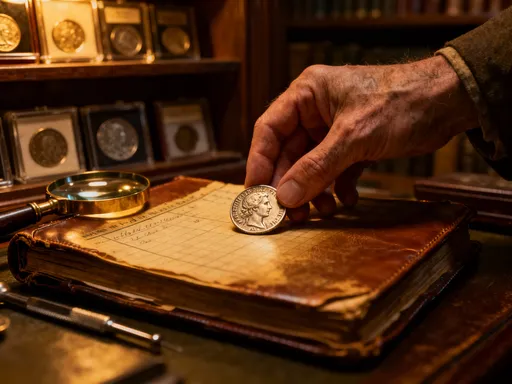
Why Coin Collecting Might Be Your Smartest Investment Move
What if the loose change in your drawer could be worth more than its face value? I didn’t think much about coins until I stumbled on a rare find that changed my perspective. Coin collecting isn’t just a hobby—it can be a serious investment strategy. With the right knowledge, it offers surprising returns, tangible assets, and a break from volatile markets. Let’s explore how this often-overlooked path can protect and grow wealth.
The Hidden Value in Your Pocket: What Makes Coins More Than Currency
At first glance, a coin is simply a tool for trade—a small piece of metal used to buy coffee, pay a bus fare, or settle a debt. But beneath that everyday function lies a world of hidden potential. Some coins, even those found in circulation, carry value far beyond their printed denomination. This value arises not from what the coin can purchase today, but from a combination of scarcity, condition, historical context, and material composition. These factors transform an ordinary object into a collectible asset, capable of appreciating over time.
Rarity is one of the most powerful drivers of value in the numismatic world. A coin produced in limited numbers—due to a short minting run, a specific year, or a regional minting error—immediately becomes more desirable. For example, certain years in a national coin series may have had significantly lower production due to economic conditions or technical issues. These coins, once overlooked, can become prized by collectors decades later. Condition, or grade, is equally critical. A coin in pristine, uncirculated condition can be worth many times more than one that has been heavily handled. Even minor wear on the high points of a design can reduce value substantially, which is why collectors emphasize preservation.
Historical significance adds another layer of appeal. Coins that commemorate major events—such as anniversaries, leadership changes, or national milestones—often attract attention not just for their design but for the stories they represent. A coin issued during a time of war, transition, or cultural revival carries emotional and educational weight, making it more than a financial asset. It becomes a tangible link to the past. Additionally, the metal content of a coin plays a role, especially in bullion coins made of silver, gold, or platinum. These derive part of their value from the intrinsic worth of the metal itself, providing a baseline floor even if collector demand fluctuates.
It’s important to distinguish between numismatic coins and bullion. Numismatic coins are valued for their rarity, condition, and historical interest, often trading at a significant premium above their metal content. Bullion coins, on the other hand, are primarily purchased for their precious metal weight and are priced closely to the current market rate for gold or silver. Both have a place in an investment portfolio, but they serve different purposes. Numismatics offer the potential for higher returns through appreciation, while bullion provides stability and inflation protection. Understanding this difference is the first step toward building a thoughtful coin-based investment strategy.
Why Investors Are Turning to Tangible Assets Like Coins
In an era dominated by digital transactions and volatile stock markets, more investors are seeking refuge in tangible assets. These are physical items—real estate, art, fine jewelry, and precious metals—that you can see, touch, and hold. Among these, coins occupy a unique position. They combine the stability of precious metals with the historical and artistic appeal of collectibles. Unlike paper assets or digital portfolios, which can fluctuate wildly based on market sentiment or algorithmic trading, coins offer a sense of permanence. Their value is not tied solely to market speculation but to enduring factors like scarcity and craftsmanship.
One of the most compelling reasons to invest in coins is their role as a hedge against inflation. When the purchasing power of currency declines—often due to rising prices or increased money supply—tangible assets tend to retain or increase in value. Gold and silver coins, in particular, have a long history of preserving wealth during economic uncertainty. For instance, during periods of high inflation or currency devaluation, investors often turn to precious metals as a store of value. Coins offer a convenient and accessible way to participate in this trend. Unlike large gold bars, which may be difficult to divide or transport, coins are standardized, portable, and easily verifiable.
Compared to other tangible assets, coins have distinct advantages. Real estate, while valuable, requires significant capital, ongoing maintenance, and is subject to local market conditions. Art and antiques can be subjective in value and require expert authentication. Coins, by contrast, benefit from a well-established global market with clear grading standards and active trading networks. Their small size and high value density make them easy to store and insure. A modest collection can be kept securely at home or in a safe deposit box, offering peace of mind without the burden of property management.
Beyond financial benefits, coins provide psychological comfort. In times of economic stress, holding a physical asset can reduce anxiety. There is a deep human connection to objects that have been used, saved, and passed down through generations. A coin from a bygone era carries not just monetary value but a sense of continuity. This emotional resonance enhances the investment experience, making it more than just a numbers game. For many, collecting coins becomes a way to engage with history while building long-term financial security. In this way, coin investing merges practicality with personal fulfillment, offering both economic and emotional returns.
Spotting Potential Winners: How to Identify Investment-Grade Coins
Not every coin is a worthy investment. Just as not every painting becomes a masterpiece or every stock turns into a winner, only a select few coins offer the potential for meaningful appreciation. The key lies in identifying investment-grade specimens—those with the right combination of rarity, condition, and market demand. This requires more than casual interest; it demands research, patience, and a clear understanding of what makes a coin valuable over time.
Mintage numbers are one of the most important indicators. A coin with a low production run is inherently scarcer, and scarcity drives demand. For example, a coin issued in limited quantities for a special event or a short-lived minting year is more likely to appreciate than one produced in the millions. However, low mintage alone is not enough. The coin must also have survived in good condition, and there must be sustained collector interest. Some rare coins remain undervalued if few people seek them, while others with moderate rarity can command high prices due to strong demand.
Condition, as determined by professional grading services, is critical. The grading scale ranges from poor to perfect mint state, with subtle differences in wear, luster, and surface quality affecting the score. A coin graded Mint State 65 or higher, for instance, is considered to be in near-perfect condition and typically commands a premium. Third-party certification from reputable grading companies provides an objective assessment, reducing the risk of overpaying for a coin that has been misrepresented. These services encapsulate the coin in a tamper-proof holder with a label indicating its grade, authenticity, and sometimes its value range. Relying on certified coins is one of the smartest moves a new collector can make.
Demand trends also play a crucial role. Certain types of coins—such as those from specific historical periods, countries, or with unique designs—tend to attract more attention. For example, early 20th-century coins from major economies or commemorative issues from politically significant years often have strong followings. Staying informed about market trends through collector publications, auction results, and dealer networks can help investors anticipate shifts in value. It’s also wise to be cautious of inflated claims, especially online. Listings that promise “rare” or “valuable” coins at bargain prices are often misleading. If a deal seems too good to be true, it usually is. Building relationships with trusted dealers and attending coin shows can provide better access to authentic, fairly priced pieces.
Building a Strategy: From Hobbyist to Smart Collector
Turning a casual interest in coins into a structured investment approach requires discipline and planning. Many people begin collecting out of curiosity or nostalgia, drawn to the beauty of the designs or the stories behind the coins. While this emotional connection is valuable, it should not drive financial decisions. A smart collector balances passion with strategy, focusing on long-term goals rather than impulse buys. This means developing a clear collecting theme, setting a budget, and prioritizing research over excitement.
One effective strategy is to build a collection around a specific theme. This could be based on historical periods—such as coins from the early years of a nation’s independence—or geographic regions, like European monarchies or colonial empires. Another approach is to focus on a particular type of coin, such as silver dollars, gold bullion, or commemorative issues. A well-defined theme helps narrow the field, making it easier to identify high-potential additions and avoid distractions. It also enhances the coherence and value of the collection over time, as themed collections are often more desirable to future buyers.
Diversification within the coin market is also important. Just as a stock portfolio benefits from a mix of sectors and asset classes, a coin collection can be strengthened by including different types of holdings. For example, an investor might balance rare numismatic coins—valued for their scarcity and condition—with bullion coins, which provide a stable metal-based foundation. This combination offers both growth potential and downside protection. During times when collector demand slows, the bullion component can help maintain overall portfolio value.
Budgeting is another essential element. It’s easy to get caught up in the thrill of acquiring a rare piece, but overspending on a single coin can undermine the entire strategy. Setting a clear acquisition budget—whether monthly or annually—helps maintain financial control. It also allows for more thoughtful decision-making, encouraging the collector to wait for the right opportunity rather than settling for an overpriced option. Patience is a virtue in coin investing; some of the best acquisitions come after months or even years of monitoring the market. By treating the collection as a long-term financial endeavor, rather than a series of isolated purchases, investors increase their chances of success.
Protecting Your Investment: Storage, Insurance, and Authentication
Once valuable coins are acquired, protecting them becomes a top priority. Unlike digital assets, physical coins are vulnerable to damage, loss, and theft. Proper storage is essential to preserving both their condition and their value. Exposure to moisture, air pollution, and temperature fluctuations can lead to tarnishing, corrosion, or surface degradation. Even something as simple as touching a coin with bare hands can transfer oils that cause long-term harm. Therefore, collectors must adopt best practices to ensure their assets remain in optimal condition.
Handling should always be done with care. It’s recommended to hold coins by the edges, using cotton gloves if possible, to minimize contact with the surface. For storage, airtight holders made of inert materials—such as Mylar sleeves or acrylic capsules—are ideal. These protect against environmental factors while allowing the coin to be viewed safely. For larger collections, a fireproof and waterproof safe or a bank safe deposit box provides additional security. Climate-controlled environments are especially important in regions with high humidity or extreme temperatures, as these conditions accelerate metal deterioration.
Insurance is another critical component of protection. While a home insurance policy may cover some personal property, it often has limits on collectibles and may require a separate rider for high-value items. A specialized collectibles insurance policy can provide more comprehensive coverage, including protection against theft, loss, and accidental damage. To qualify for insurance, collectors typically need documentation such as appraisals, purchase receipts, and detailed inventory lists. Maintaining an up-to-date record of the collection—noting each coin’s description, grade, acquisition date, and value—helps streamline the claims process and supports valuation over time.
Authentication is equally important. Even the most carefully stored coin can lose value if its authenticity is questioned. This is why third-party grading and certification are so valuable. Reputable services not only verify the coin’s origin and condition but also provide a permanent record of its status. Avoiding common mistakes—such as attempting to clean a coin to improve its appearance—is crucial. Cleaning can remove original toning and cause microscopic scratches, which drastically reduce value. In the world of numismatics, originality is prized above all else. A coin that has never been cleaned or altered, even if it shows natural wear, is often more valuable than one that has been tampered with. By treating each coin as a historical artifact as well as a financial asset, collectors ensure its long-term worth.
Knowing When to Buy and When to Hold
Timing can significantly influence the success of a coin investment. While the long-term nature of numismatics means that gains often unfold over years or decades, market conditions still matter. Knowing when to buy and when to hold requires an understanding of supply and demand dynamics, metal price trends, and collector behavior. It’s not about speculation or quick flips, but about making informed decisions that align with broader economic and market patterns.
The price of precious metals, especially gold and silver, has a direct impact on coin values. When metal prices rise, bullion coins tend to increase in value, pulling some numismatic coins along with them. However, rare coins with strong collector demand may appreciate independently of metal prices, driven more by scarcity and market interest. Monitoring metal markets can help identify favorable buying windows—such as when prices are low due to temporary oversupply or economic sentiment. Similarly, periods of high inflation or currency instability often spark increased demand for tangible assets, creating opportunities for strategic acquisitions.
Auction trends also provide valuable insights. Major coin auctions often set benchmarks for value, especially for rare or historically significant pieces. A sudden spike in bidding activity for a particular type of coin can signal growing interest, while declining prices may indicate oversupply or waning demand. Staying informed through auction catalogs, price guides, and collector forums helps investors gauge market sentiment. It’s also important to recognize that liquidity varies. Some coins sell quickly and at premium prices, while others may take time to find the right buyer. This makes patience essential—holding a coin through market dips can lead to stronger returns when demand rebounds.
Emotional discipline is just as important as market knowledge. It’s tempting to sell after a price surge, fearing a correction, or to buy during a frenzy, worried about missing out. But successful coin investing is not about timing the market perfectly; it’s about understanding value and holding with confidence. A well-chosen coin, acquired at a fair price and stored properly, is likely to increase in worth over time. The goal is not to chase short-term gains but to build a resilient, appreciating asset base that can withstand economic shifts. By focusing on quality, authenticity, and long-term trends, investors position themselves for sustainable success.
The Long Game: Wealth Preservation Through Numismatics
Coin collecting, when approached with knowledge and care, is more than a financial strategy—it is a form of wealth preservation that can span generations. Unlike many modern investments that exist only as digital entries or paper records, coins are physical, enduring, and deeply personal. They can be held, studied, and shared, making them a unique bridge between financial planning and family legacy. A well-curated collection can be passed down as an inheritance, carrying not only monetary value but also stories, traditions, and a connection to history.
The true power of numismatics lies in its combination of stability and appreciation. While stock markets rise and fall with economic cycles, and currencies lose value over time, rare and well-preserved coins have demonstrated the ability to retain and grow their worth across decades. This makes them an effective tool for long-term wealth protection, especially in uncertain economic times. Moreover, because coin values are not directly tied to corporate performance or interest rates, they offer diversification benefits that complement traditional portfolios.
For many families, a coin collection becomes a shared project—a way to teach children about history, money, and the value of patience. It fosters conversations across generations, turning abstract financial concepts into tangible experiences. A child who learns to identify a coin from their grandparents’ era gains more than knowledge; they gain a sense of continuity and belonging. In this way, the collection becomes more than an asset—it becomes a legacy.
In a world where financial systems are increasingly complex and volatile, returning to something concrete can be a wise choice. Coin collecting offers a rare blend of accessibility, durability, and emotional resonance. It requires research, discipline, and care, but the rewards—both financial and personal—can be substantial. By combining passion with prudence, investors can build a portfolio that not only grows in value but also tells a story. In the end, the smartest investment move may not be the one that promises the highest return, but the one that lasts the longest and means the most.