From Overwhelmed to Empowered: How Smart Health Reports Gave Me My Life Back
Life used to feel like a never-ending checklist—fatigue, brain fog, constant doctor visits—until I discovered how simple health report tools could actually understand me. No jargon, no confusion, just clear insights that fit into real life. It wasn’t magic, just smart tech quietly working behind the scenes. If you’ve ever felt lost in your own health journey, this is for you. You’re not alone—and there’s a better way. This isn’t about chasing perfection or fitting into a trendy wellness mold. It’s about finally feeling like you’re in the driver’s seat, making sense of how you feel every single day. And honestly? It started with something as simple as paying attention to what my body had been trying to tell me all along.
The Moment I Realized Something Was Missing
For years, I thought being tired was just part of being a woman, a mom, a busy adult. I’d wake up already drained, drag myself through the day, and crash by 7 p.m., only to do it all over again the next morning. I chalked it up to 'doing it all'—work, kids, home, meals, laundry, school projects, birthday parties. But deep down, I knew it wasn’t just about being busy. Something deeper was off. I’d have mood swings that came out of nowhere, foggy thinking that made me second-guess simple decisions, and this constant low-level anxiety that I couldn’t shake. I went to the doctor, of course. I got blood work done. But the results always came back 'normal.' The doctor would say, 'Everything looks fine,' and send me on my way. And I’d leave feeling worse—like maybe it was all in my head. But how could it be? My body was screaming for help. I just didn’t know how to listen.
Then one morning, after yet another night of restless sleep and waking up with a headache, I sat on the edge of my bed and asked myself a question I’d never dared to ask before: Why don’t I understand my own body? Not just the symptoms, but the patterns. Why did some days feel better than others? Why did I feel energized after a walk but wiped out after a work call? What was really driving how I felt? That moment changed everything. It wasn’t just about fixing fatigue or brain fog—it was about reclaiming a sense of control, clarity, and connection to myself. I realized I didn’t need more prescriptions or more appointments. I needed answers. And I needed a way to make sense of my health in a way that actually fit into my real, messy, beautiful life.
Discovering a Health Report That Felt Like a Conversation
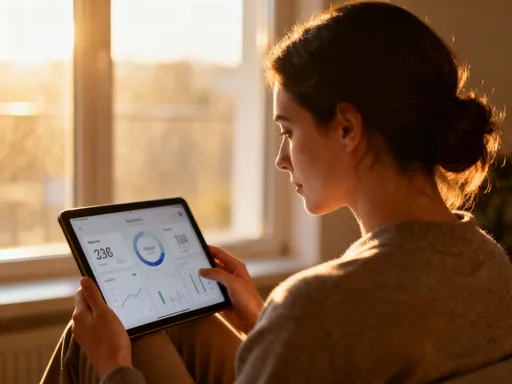
I started researching, not for miracle cures or extreme diets, but for tools that could help me see the bigger picture. That’s when I came across a smart health report system—something that pulled data from everyday devices I was already using, like my sleep tracker and fitness band, and combined it with simple daily check-ins about how I felt, what I ate, and how much stress I was under. At first, I was skeptical. Was this just another tech gimmick? Would it bombard me with confusing charts and numbers I wouldn’t understand? But I decided to try it, mostly out of desperation.
Within days, something shifted. The report didn’t just show me data—it showed me patterns. It highlighted how eating dinner after 8 p.m. consistently led to poor sleep and next-day fatigue. It revealed that when my sleep dropped below seven hours, my mood dipped two days later—like clockwork. It even connected my afternoon crashes to skipped morning hydration. These weren’t random events. They were signals. And for the first time, someone—or something—was actually listening. The language was clear, not clinical. No medical jargon. No judgment. Just gentle insights, like a friend who notices when you’ve been pushing too hard and says, 'Hey, maybe it’s time to slow down.'
I remember the first time I looked at my weekly summary and actually said out loud, 'Oh. So that’s why I feel like this.' It wasn’t a dramatic revelation, but it was powerful. It gave me permission to stop blaming myself and start understanding. This wasn’t about being broken or needing to 'fix' myself. It was about learning how I worked—what fueled me, what drained me, what helped me thrive. And that shift in mindset? That was the real beginning of change.
How It Quietly Transformed My Daily Routines
With those insights, small changes started to feel natural, not overwhelming. I didn’t overhaul my life overnight. I didn’t start meal prepping for five days or force myself into intense workouts. Instead, I made tiny, doable shifts—like moving dinner up by an hour, taking a ten-minute walk after lunch, or setting a reminder to drink water in the morning. The system didn’t demand perfection. It celebrated progress. And that made all the difference.
Over time, the changes added up. My energy became more stable. I wasn’t crashing in the afternoons. I could focus better during work calls. I even started enjoying things again—reading before bed, playing with my kids without feeling drained, going for walks just because I wanted to. My family noticed. My sister called one day and said, 'You seem… lighter. Happier. What’s different?' I didn’t know how to explain it at first. It wasn’t one big thing. It was a hundred small choices, guided by data that actually made sense.
The tech didn’t replace me—it amplified me. It didn’t tell me what to do. It helped me see what was already happening, so I could make better decisions. And because the changes were based on my own patterns, not someone else’s idea of 'healthy,' they actually stuck. I wasn’t following a rigid plan. I was learning to live in a way that worked for me. That’s the power of personalized health—it’s not one-size-fits-all. It’s one-size-fits-you.
Raising a Health-Aware Family Without the Stress
As a mom, one of my biggest hopes is that my kids grow up feeling connected to their bodies, not afraid of them. I didn’t want them to wait until they were exhausted or sick to start paying attention. So we started using simplified versions of the same health reports—colorful charts, fun insights, easy-to-read summaries. We made it a family thing. On Sunday nights, we’d look at our 'health snapshots' together over hot cocoa. My daughter learned that when she got less than eight hours of sleep, her focus in math class dropped. My son saw that when he drank more water before soccer practice, he felt stronger and didn’t get as tired.
It wasn’t about pressure or perfection. It was about curiosity. We started talking about energy, sleep, and mood like we talk about the weather—something normal, manageable, part of life. 'Looks like it’s a low-energy day—let’s keep it light,' I’d say. Or, 'Your chart shows you’re hydrated—great job!' These small conversations built awareness without anxiety. My kids aren’t obsessed with data. They’re just learning to listen—to their bodies, to their feelings, to what they need.
And honestly, it’s brought us closer. We’re not just a family who shares meals and routines. We’re a team that supports each other’s well-being. We celebrate small wins—'You got great sleep last night!'—and we adjust when things are off—'Maybe we need an earlier bedtime tonight.' It’s not about being 'perfectly healthy.' It’s about being aware, kind, and responsive. And that’s a lesson I want them to carry into their lives.
Building Confidence Through Everyday Clarity
The biggest change wasn’t just in my energy or my sleep. It was in my mind. I stopped second-guessing myself. Before, when I felt tired, I’d panic—'Am I getting sick? Is something wrong?' Now, I pause and check the patterns. Did I sleep poorly? Was I stressed this week? Did I skip meals? More often than not, the answer is right there in the data. And that simple act—checking, understanding, responding—has built a quiet confidence I didn’t know I was missing.
I’m not waiting for symptoms to pile up. I’m not reacting in crisis mode. I’m being proactive. I’m designing my days with intention. And that shift—from reactive to proactive—has changed everything. I’m not just surviving. I’m thriving. I have more patience with my kids. I’m more present at work. I feel calmer, clearer, more like myself. And that’s the real gift of these health reports: they’re not just tracking numbers. They’re growing my ability to think differently, to trust myself, to make better choices—every single day.
This isn’t about becoming a data expert. It’s about becoming a better listener—to your body, your rhythms, your needs. And when you start to understand those patterns, you stop feeling like a victim of your energy levels or your mood. You start feeling like the author of your own well-being. That’s the kind of strength that doesn’t come from pushing harder. It comes from knowing yourself better.
Learning to Ask Better Questions—Of Myself and My Doctor
One of the most unexpected benefits has been how it’s changed my relationship with my doctor. Before, I’d walk into appointments with a blank mind, struggling to explain how I felt. 'I just feel off,' I’d say. Vague. Frustrating. Now, I go in with insights. 'My report shows my resting heart rate has been elevated for three days. Any idea what could be causing that?' Or, 'I’ve noticed my energy drops every time I skip breakfast. Is that something worth exploring?' My doctor was surprised at first—then impressed. 'This is helpful,' she said. 'It gives us more to work with.'
Our visits have become conversations, not monologues. I’m not challenging her expertise. I’m adding my own. I’m bringing real-time data from my daily life, and she’s helping me interpret it through a medical lens. That partnership—between my lived experience and her training—is powerful. It’s not about replacing doctors. It’s about showing up as a more informed, engaged patient. And that makes all the difference in getting the care you truly need.
Plus, it’s saved us both time. We’re not guessing. We’re not running unnecessary tests. We’re focusing on what matters. And that means more meaningful care, less frustration, and better outcomes. If you’ve ever left a doctor’s office feeling unheard or confused, I get it. But with a little data and a little courage, you can change that dynamic. You can become an active participant in your health journey—not just a passive recipient.
A Smarter, Softer Kind of Strength
Today, I don’t chase perfect health. I don’t expect to feel amazing every single day. Life is messy. Stress happens. Kids get sick. Work gets busy. But now, I have a compass. The reports keep coming, but I’ve learned to read between the lines. I don’t just look at the numbers—I look at how they make me feel. I’ve learned to trust my instincts with data, not against it. When the report says I’m tired but I feel fine, I don’t panic. When I feel off but the data looks good, I listen to my body. It’s not about choosing one over the other. It’s about using both to make smarter choices.
This journey didn’t turn me into a tech expert. It turned me into a better version of myself—a more aware, more confident, more compassionate woman. I listen more—to my body, my family, my own needs. I respond with kindness, not criticism. I make space for rest, for joy, for connection. And that’s the real innovation here. It’s not the report. It’s the me it helped create.
If you’ve ever felt lost in your health, like you’re doing everything 'right' but still not feeling right—this is for you. You don’t have to have all the answers. You just need to start paying attention. Start small. Ask questions. Look for patterns. Let the tools help you see what you’ve been missing. Because your body has been talking to you all along. You just needed a way to listen. And when you do, you’ll realize something powerful: you’re not broken. You’re learning. And that’s the first step to feeling truly, deeply, at home in your own skin.