Why Your Skin Cries Out for Real Body Maintenance—And What Actually Helps
You wash your face every day, but what about the rest of your skin? Most of us ignore body maintenance until dryness, irritation, or uneven texture hits. I learned the hard way—after years of neglect, my skin felt rough and lifeless. But once I shifted my focus beyond the face, everything changed. This isn’t about quick fixes; it’s about consistent, science-backed care that supports your skin’s health from neck to toe. Let’s dive into what truly works.
The Hidden Truth About Body Skincare
Skin is the body’s largest organ, yet most people treat the skin on their body as an afterthought. While facial skincare has become a ritual for many, the rest of the body often receives minimal attention. This imbalance overlooks a crucial fact: the skin on your arms, legs, torso, and back is structurally different from facial skin. It is generally thicker, contains fewer oil-producing sebaceous glands, and regenerates more slowly. These differences mean it requires tailored care, not just an extension of facial routines.
Because body skin produces less sebum, it is more prone to dryness, especially in colder months or low-humidity environments. Without adequate moisture, the outermost layer—the stratum corneum—can become compromised. This layer acts as a protective barrier, locking in hydration and shielding against environmental irritants. When weakened, it leads to symptoms like flakiness, tightness, and increased sensitivity. Many assume these are minor concerns, but chronic barrier damage can accelerate signs of aging and increase susceptibility to conditions like eczema or dermatitis.
Another overlooked aspect is the variation in skin thickness across the body. For example, the skin on the soles of the feet is significantly thicker than on the inner arms. This means product absorption and response to treatment can differ greatly from one area to another. Using the same lightweight facial moisturizer on dry elbows or knees often proves ineffective. The solution lies in recognizing these biological distinctions and adjusting care accordingly. Understanding the skin’s structure and function empowers individuals to make informed choices that support long-term health rather than temporary relief.
Common Body Skincare Mistakes (And Why We Keep Making Them)
Despite good intentions, many daily habits unintentionally harm the skin. One of the most widespread errors is over-cleansing. Long, hot showers may feel soothing, but they strip away natural oils, disrupt the skin’s pH, and compromise the moisture barrier. Similarly, using harsh soaps or body washes with high alkalinity can leave the skin feeling tight and dry. These products often contain ingredients like sodium lauryl sulfate, which create a rich lather but are known to be irritating, especially for those with sensitive or dry skin.
Another common misstep is applying facial products to the body. While it may seem efficient, facial serums and moisturizers are formulated for thinner, more delicate skin with higher sebum production. When used on the body, they may not provide sufficient hydration and can be wasteful due to the larger surface area. Conversely, using heavy body creams on the face can clog pores and lead to breakouts. Each area of the skin has unique needs, and cross-application often leads to suboptimal results.
Many also underestimate the importance of exfoliation or perform it incorrectly. Skipping exfoliation allows dead skin cells to accumulate, leading to dullness and rough texture. However, overdoing it—especially with abrasive scrubs—can cause micro-tears, inflammation, and increased sensitivity. The temptation to scrub away dry patches often backfires, creating a cycle of irritation and dryness. These habits persist because they are driven by convenience, misinformation, or lack of awareness. Advertisements often promote quick fixes rather than sustainable routines, reinforcing the idea that skincare is about appearance rather than health. Recognizing these patterns is the first step toward building a more effective and respectful approach to body care.
Cleansing: More Than Just Soap and Water
Cleansing is the foundation of any skincare routine, yet it is frequently misunderstood. The goal is not to remove every trace of oil but to cleanse effectively without disrupting the skin’s natural balance. The skin’s surface has a slightly acidic pH, typically between 4.5 and 5.5. This acidity helps maintain the integrity of the skin barrier and supports a healthy microbiome—the community of beneficial bacteria that protect against pathogens. When cleansers are too alkaline, they neutralize this protective acidity, leaving the skin vulnerable.
Traditional bar soaps often have a pH of 9 or higher, making them particularly harsh for daily use. Over time, repeated use can weaken the skin’s defenses, leading to dryness, irritation, and increased reactivity. A better alternative is a syndet (synthetic detergent) bar or a gentle, pH-balanced body wash. These are formulated to cleanse without stripping essential lipids and are less likely to disrupt the skin’s natural environment. They are especially beneficial for those with dry, sensitive, or eczema-prone skin.
Water temperature and shower duration also play a critical role. Hot water may feel relaxing, but it accelerates moisture loss by dissolving the skin’s natural oils. Dermatologists recommend lukewarm water and limiting showers to 5–10 minutes to preserve hydration. Additionally, scrubbing with loofahs or washcloths can be too abrasive, especially when used daily. A soft sponge or bare hands are often sufficient for effective cleansing. The key is to treat the skin with care, recognizing that gentle cleansing supports long-term health more than aggressive scrubbing ever could.
Moisturizing Done Right: Timing, Texture, and Ingredients
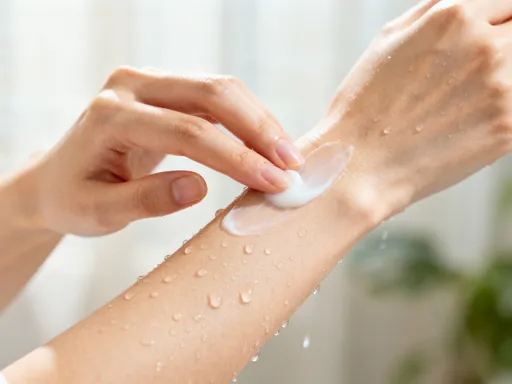
Moisturizing is often seen as a simple step—apply lotion and move on. But the effectiveness of moisturization depends on multiple factors: timing, formulation, and application method. One of the most impactful practices is applying moisturizer within three minutes of bathing. This window is critical because the skin is still damp, allowing the product to trap water and enhance absorption. Waiting too long lets moisture evaporate, reducing the lotion’s efficacy.
Not all moisturizers work the same way. They typically contain a combination of three types of ingredients: humectants, emollients, and occlusives. Humectants—like glycerin and hyaluronic acid—draw water into the skin from the environment and deeper layers. Emollients—such as ceramides and fatty acids—smooth and soften the skin by filling in gaps between skin cells. Occlusives—like petrolatum, shea butter, and squalane—form a protective seal on the surface to prevent water loss. Understanding these roles helps in choosing the right product for specific needs.
For everyday use, a cream with a balanced blend of these ingredients is ideal for most body areas. In particularly dry regions—like elbows, knees, and heels—a thicker ointment with higher occlusive content may be necessary. Lightweight lotions, while pleasant to apply, often lack the richness needed for effective barrier repair. Layering can also be beneficial: applying a humectant-rich body serum before a cream can boost hydration, especially in dry climates. The key is consistency and customization—using the right texture at the right time to support the skin’s natural function.
Exfoliation: Finding the Sweet Spot Between Smooth and Sensitive
Exfoliation is essential for maintaining smooth, healthy skin, but it must be approached with care. The skin naturally sheds dead cells every 28 to 30 days, but this process slows with age and can be disrupted by dryness or environmental stressors. Without regular exfoliation, dead cells build up, leading to rough texture, clogged pores, and a dull appearance. However, over-exfoliating can damage the skin barrier, causing redness, irritation, and increased sensitivity.
There are two main types of exfoliation: physical and chemical. Physical exfoliants use granular substances—like sugar or salt—or tools such as brushes to manually remove dead skin. While effective, they can be too abrasive if used too frequently or with excessive pressure. Chemical exfoliants, on the other hand, use acids to dissolve the bonds between dead skin cells. Common options include alpha-hydroxy acids (AHAs) like lactic acid and glycolic acid, which are water-soluble and best for dry or sun-damaged skin, and beta-hydroxy acid (BHA), such as salicylic acid, which is oil-soluble and effective for clogged pores and body acne.
For most people, exfoliating 1–3 times per week is sufficient, depending on skin type and sensitivity. Areas like the elbows, knees, and heels may benefit from more frequent treatment due to thicker skin and buildup. It’s important to start slowly, especially with chemical exfoliants, to assess tolerance. Signs of overuse include stinging, redness, or excessive dryness—indications to reduce frequency or switch to a gentler formula. When done correctly, exfoliation enhances the effectiveness of moisturizers and promotes a more even skin tone, contributing to overall skin health.
Lifestyle Factors That Shape Your Skin’s Health
Skin health is not solely determined by topical products; internal and environmental factors play a significant role. Hydration is one of the most fundamental. The skin reflects the body’s water balance—when dehydrated, it appears dull and feels tight. Drinking adequate water throughout the day supports cellular function and helps maintain plump, resilient skin. While the exact amount varies by individual, consistent fluid intake is more important than hitting a specific number.
Sleep is another critical component. During deep sleep, the body undergoes repair processes, including skin cell regeneration. Chronic sleep deprivation can impair this renewal, leading to a tired appearance and slower healing. Stress also impacts the skin through hormonal pathways. Elevated cortisol levels can increase oil production, worsen inflammation, and exacerbate conditions like eczema or psoriasis. Managing stress through mindfulness, gentle movement, or restorative routines indirectly supports skin health.
Clothing choices matter too. Synthetic fabrics like polyester trap moisture and restrict airflow, creating an environment where irritation and breakouts—especially on the back and chest—can thrive. Breathable, natural fibers such as cotton or bamboo allow the skin to breathe and reduce friction. Additionally, tight clothing can cause chafing, particularly in areas like the inner thighs or underarms. Choosing well-fitting, soft fabrics minimizes irritation and supports comfort throughout the day. These lifestyle elements, while not directly part of a skincare routine, are integral to maintaining healthy skin from the inside out.
Building a Sustainable Routine: Simple, Effective, and Personal
A successful body skincare routine is not about complexity but consistency. The most effective regimens are those that can be maintained long-term without feeling burdensome. A sustainable approach starts with a clear understanding of individual needs—skin type, lifestyle, and personal preferences. For someone with dry skin, a rich cream applied daily may be essential. For another, a lighter lotion after a short shower may be sufficient. The key is personalization, not perfection.
A basic yet effective routine includes three core steps: gentle cleansing, regular moisturizing, and occasional exfoliation. These steps can be adapted to fit different schedules. For example, exfoliation might be reserved for weekends, while moisturizing becomes a non-negotiable part of the daily wind-down. Incorporating habits into existing routines—like applying lotion after brushing teeth at night—increases the likelihood of adherence. Over time, these small actions compound into visible improvements.
Mindful observation is also important. Skin changes in response to seasons, hormones, and environment. What works in summer may not be enough in winter. Paying attention to how the skin feels and looks allows for timely adjustments. This awareness fosters a deeper connection to one’s body and encourages a sense of care rather than obligation. Ultimately, body maintenance is not about vanity—it’s a form of self-respect. It reflects a commitment to well-being, a quiet acknowledgment that every part of the body deserves attention and care. When approached with intention, it becomes less of a chore and more of a daily act of kindness toward oneself.