Why I Finally Got Serious About Bone Health — And What Changed
You don’t think about your bones until something goes wrong. I learned this the hard way after a minor fall left me sidelined for weeks. Turns out, bone health isn’t just for older adults — it matters at every age. I started digging into science-backed habits that support strong bones, from daily movement to nutrition tweaks. What I discovered surprised me: small, consistent choices make a real difference. This is what I wish I’d known earlier.
The Wake-Up Call: When a Simple Fall Changed Everything
It happened on an ordinary Tuesday. I was rushing to catch the bus, stepped off the curb a little too fast, and twisted my ankle. The fall seemed minor — nothing dramatic, no car involved, no height to speak of. But the pain that followed was anything but ordinary. Within hours, swelling set in. By the next morning, I couldn’t put weight on my foot. The doctor’s diagnosis? A fracture in the small bones of my foot — not from a major trauma, but from weakened bone structure.
At first, I was shocked. I wasn’t elderly. I didn’t have a history of osteoporosis. I ate dairy and took the occasional multivitamin. How could a simple misstep lead to a fracture? The answer, my doctor explained, lay in years of unnoticed habits — too much sitting, not enough weight-bearing activity, inconsistent nutrition, and limited sun exposure. My bones had been silently losing density long before the fall.
This moment became my wake-up call. I realized I had treated my skeleton as a static framework — something that just held me up, not something that needed active care. I had assumed that as long as I wasn’t in pain, everything was fine. But bones, like every other part of the body, are alive, constantly renewing themselves. And when that renewal process slows or becomes unbalanced, fragility follows. The injury wasn’t just a result of bad luck — it was the outcome of years of neglect.
What surprised me most was how common this story is. Millions of people, especially women over 40, experience fractures from minor incidents that should not have caused serious harm. The Centers for Disease Control and Prevention reports that more than 2 million bone fractures occur annually in the U.S. due to low bone density, many from falls at standing height. These aren’t isolated events — they’re signals of a larger, preventable health issue.
What Bone Health Really Means (Beyond Milk and Calcium)
When most people think of bone health, they immediately picture a glass of milk or a calcium supplement. While calcium is undeniably important, it’s only one piece of a much larger puzzle. Bone health is better understood as the combination of bone density, structural integrity, and the body’s ability to repair and renew bone tissue over time. Healthy bones are not just strong — they are resilient, adaptable, and capable of responding to physical demands.
Bones are living tissue, constantly undergoing a process called remodeling. This means old bone is broken down by cells called osteoclasts, while new bone is formed by cells called osteoblasts. In youth, this process favors bone formation. But after about age 30, the balance begins to shift. Without proper support, bone resorption starts to outpace formation, leading to gradual loss of mass and strength.
Understanding this cycle changes how we approach prevention. It’s not enough to wait until bone loss is detected on a scan. By then, the decline may already be significant. Instead, maintaining bone health requires consistent input — physical stress, nutritional support, hormonal balance, and lifestyle choices that promote regeneration. It’s a full-body effort, involving muscles, hormones, digestion, and even sleep.
Key components beyond calcium include vitamin D, which helps the body absorb calcium; vitamin K2, which directs calcium to the bones and away from arteries; magnesium, which supports bone matrix formation; and collagen, the protein framework that gives bones flexibility and resilience. Hormones like estrogen and testosterone also play crucial roles in regulating bone turnover. Disruptions in any of these systems — due to age, stress, or medical conditions — can affect skeletal strength.
Modern health standards now emphasize proactive, lifelong care rather than reactive treatment. The National Osteoporosis Foundation recommends assessing bone health early, especially for women, and making sustainable changes long before symptoms appear. Bone health is not a crisis response — it’s a daily commitment to the body’s long-term stability.
Why Younger People Can’t Afford to Ignore This
One of the most important concepts in bone health is peak bone mass — the maximum bone density a person reaches, typically by age 25 to 30. Research shows that up to 90% of adult bone mass is acquired by age 18 in girls and by age 20 in boys. After that, the focus shifts from building to maintaining. This means the habits formed in childhood and early adulthood have a lasting impact on skeletal strength decades later.
Unfortunately, many young adults are not prioritizing bone health. Sedentary lifestyles, screen-heavy routines, and diets low in key nutrients are contributing to suboptimal bone development. A study published in the Journal of Clinical Endocrinology & Metabolism found that young women who spend more than four hours a day sitting have significantly lower bone density in the hips and spine compared to more active peers. Similarly, inadequate vitamin D levels — common even in sunny regions due to indoor lifestyles — impair calcium absorption and weaken bone formation.
The consequences may not be visible today, but they will be felt tomorrow. Lower peak bone mass increases the risk of osteopenia and osteoporosis later in life, as well as the likelihood of fractures from minor falls. The International Osteoporosis Foundation estimates that one in three women over 50 will experience a fragility fracture — many of which could have been prevented with stronger bones built earlier in life.
Young adulthood is not too early to start. In fact, it’s the ideal time. Weight-bearing exercise, balanced nutrition, and healthy lifestyle choices during these years lay the foundation for lifelong skeletal resilience. Parents, educators, and healthcare providers play a role in promoting awareness, but individuals must also take ownership. Bone health is not just a concern for the elderly — it’s a lifelong investment that begins long before the first scan or symptom.
The Daily Habits That Actually Build Stronger Bones
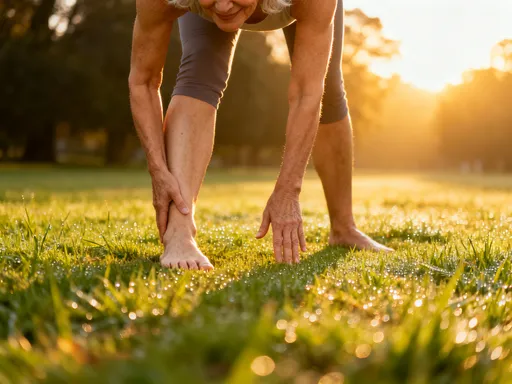
One of the most powerful tools for building strong bones is also one of the simplest: movement. Specifically, weight-bearing exercise — any activity that forces your body to work against gravity. Walking, climbing stairs, dancing, hiking, and even gardening are effective ways to stimulate bone growth. These activities create mechanical stress on the bones, signaling the body to strengthen them in response.
The science behind this is clear. When muscles pull on bones during movement, they activate bone-forming cells. This process, known as mechanotransduction, is essential for maintaining density. The more consistently you engage in these activities, the stronger the signal. Studies show that women who walk briskly for 30 minutes a day have higher bone density in the hips and spine than those who are inactive.
Resistance training adds another layer of benefit. Lifting weights, using resistance bands, or doing bodyweight exercises like squats and push-ups not only build muscle but also improve bone strength. The connection between muscle and bone is intimate — stronger muscles provide better support, reduce fall risk, and enhance balance and coordination. Over time, this dual benefit creates a more stable, resilient body.
The key is consistency, not intensity. You don’t need to run marathons or lift heavy weights to see results. A daily 20- to 30-minute routine that includes walking, light strength work, and balance exercises can make a meaningful difference. For beginners, starting with short walks and gradually adding stairs or light weights is a safe and effective approach. Real-life examples include women who started with five-minute walks and built up to 30 minutes a day, noticing improved energy, balance, and confidence within weeks.
Even small changes count. Taking the stairs instead of the elevator, parking farther from the store, or doing a few squats while waiting for the kettle to boil — these micro-habits add up. Over months and years, they contribute to stronger bones and a more active life. The goal isn’t perfection — it’s progress, built one step at a time.
Food Choices That Support Your Skeleton (Without Supplements)
Nutrition plays a central role in bone health, and the best approach is to get nutrients from whole foods whenever possible. While calcium is essential, it works best when paired with other key nutrients that support absorption, utilization, and bone matrix formation. A balanced diet rich in diverse, nutrient-dense foods provides the full spectrum of support bones need.
Leafy green vegetables like kale, collard greens, and bok choy are excellent sources of calcium and vitamin K — both critical for bone mineralization. Dairy products such as yogurt, cheese, and milk provide calcium and protein, while fortified plant-based alternatives like almond or soy milk can be good options for those with dietary restrictions. Fatty fish like salmon and sardines offer not only calcium (especially when bones are consumed, as in canned sardines) but also vitamin D and omega-3 fatty acids, which reduce inflammation and support joint and bone health.
Nuts and seeds, particularly almonds, chia seeds, and sesame seeds, are rich in calcium, magnesium, and healthy fats. Magnesium, often overlooked, is involved in over 300 biochemical reactions in the body, including those that regulate calcium transport and bone formation. Whole grains, legumes, and beans also contribute magnesium and phosphorus, another mineral essential for bone structure.
The synergy between nutrients is crucial. Vitamin D enhances calcium absorption in the gut. Vitamin K2 helps bind calcium to the bone matrix and prevents it from depositing in blood vessels. Without these partners, calcium alone may not be effectively used. This is why a varied diet is more effective than isolated supplements — it provides the natural balance that the body recognizes and utilizes efficiently.
At the same time, certain dietary habits can undermine bone health. High sodium intake increases calcium excretion through urine. Excessive caffeine — more than three to four cups of coffee a day — may interfere with calcium absorption, especially when consumed with meals. Diets high in processed foods, sugary drinks, and red meat are often low in bone-supportive nutrients and may contribute to chronic inflammation, which negatively affects bone remodeling.
Simple meal ideas can make a difference. A spinach and salmon salad with olive oil dressing provides calcium, vitamin K, vitamin D, and omega-3s. Oatmeal topped with almonds and fortified milk offers calcium, magnesium, and protein. Snacking on yogurt with chia seeds combines probiotics, calcium, and fiber. These are not restrictive or complicated — they are practical, enjoyable choices that support long-term skeletal health.
Hidden Threats to Bone Strength in Everyday Life
While nutrition and exercise are well-known factors, several everyday habits quietly undermine bone health. These hidden threats often go unnoticed because they don’t cause immediate symptoms, but their cumulative effect over time can be significant. Recognizing them is the first step toward making protective changes.
Sedentary behavior is one of the most pervasive risks. Spending long hours sitting — whether at a desk, in front of a screen, or in a car — reduces mechanical loading on bones, signaling the body that strength is not needed. Over time, this leads to bone loss, particularly in weight-bearing areas like the hips and spine. Even regular exercisers can be at risk if they spend the rest of the day inactive. The concept of “active couch potatoes” — people who meet exercise guidelines but sit for most of the day — is increasingly recognized as a concern for metabolic and skeletal health.
Smoking is another major threat. Chemicals in tobacco smoke interfere with estrogen production, reduce blood supply to bones, and impair the function of bone-forming cells. The American Lung Association notes that smokers have a higher risk of fractures and slower healing times. Similarly, excessive alcohol consumption — more than two drinks a day — disrupts bone remodeling and increases fall risk due to impaired balance and coordination.
Long-term use of certain medications, such as corticosteroids for asthma or autoimmune conditions, can accelerate bone loss. While these drugs are sometimes necessary, their impact on bones should be monitored, and protective strategies like increased calcium intake or weight-bearing exercise should be discussed with a healthcare provider.
Chronic stress and poor sleep also play a role. Elevated cortisol levels from prolonged stress can interfere with bone formation and increase resorption. Sleep is when much of the body’s repair and regeneration occurs, including bone remodeling. Disrupted or insufficient sleep may impair this process, weakening long-term skeletal integrity.
Posture and core stability matter too. Hours spent hunched over phones or computers can lead to poor spinal alignment, increasing pressure on vertebrae and raising the risk of compression fractures over time. Strengthening core muscles and practicing good posture can help distribute weight evenly and protect the spine.
These factors don’t operate in isolation. They interact, creating a web of influence on bone health. The goal is not to eliminate every risk perfectly but to become aware and make gradual improvements. Small shifts — standing more, reducing screen time, quitting smoking, improving sleep — can collectively strengthen the foundation of skeletal health.
Building a Sustainable Routine — Not a Quick Fix
Strong bones are not built in a week, a month, or even a year. They are the result of consistent, informed choices made over a lifetime. The most effective approach is not a drastic overhaul, but a sustainable routine that integrates bone-supportive habits into daily life. This means focusing on progress, not perfection, and valuing small, repeatable actions over short-term intensity.
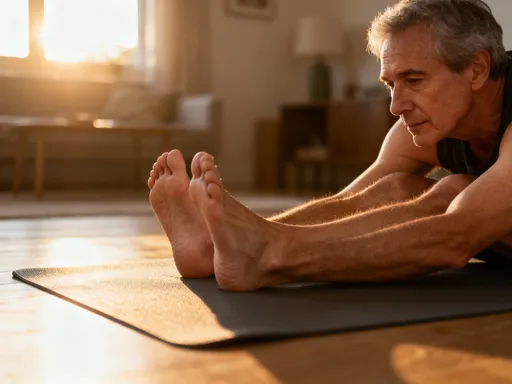
A realistic framework starts with simple additions: a daily walk, a few minutes of strength training, one extra serving of leafy greens, or five minutes of stretching. These habits are more likely to stick when they fit naturally into existing routines. Pairing them with existing behaviors — like doing calf raises while brushing teeth or taking a post-dinner stroll — increases adherence through habit stacking.
Tracking progress doesn’t require scans or lab tests. Improved energy, better balance, increased strength, and reduced joint discomfort are all meaningful indicators of positive change. These subtle shifts reflect the body’s response to better care and serve as motivation to continue.
Professional guidance is essential, especially for those with medical conditions, a family history of osteoporosis, or previous fractures. A healthcare provider can assess individual risk, recommend appropriate screenings like a DEXA scan, and offer personalized advice on nutrition, exercise, and medication if needed. Bone health is not a do-it-yourself project — it’s a partnership between the individual and their care team.
The message is one of empowerment, not fear. Strong bones are possible at any age. Whether you’re 30, 50, or 70, the choices you make today influence your skeletal health tomorrow. It’s never too early to start, and it’s never too late to improve. With knowledge, consistency, and support, building a resilient body is within reach — one step, one meal, one mindful choice at a time.