How I Finally Found Real Flexibility — No Pain, Just Progress
Flexibility isn’t just for yogis or athletes — it’s a basic part of staying mobile, reducing stiffness, and feeling good in your own body. I used to struggle with tight hips and a stiff back, but after testing simple, science-backed moves, I noticed real changes. This isn’t about extreme stretches or instant results — it’s about consistent, effective exercise guidance that actually works. Let’s explore how your body can become more fluid and free, one smart move at a time.
The Hidden Struggle: Why Most People Lose Flexibility Without Realizing It
Modern life moves fast, but our bodies often move less. Many people don’t realize how much their daily routines erode their natural flexibility. Hours spent sitting at desks, driving, or looking at screens contribute to a slow but steady decline in range of motion. The human body is designed for movement, not prolonged stillness. When joints and muscles remain inactive for long periods, they begin to tighten and shorten. This process happens gradually, so the changes often go unnoticed until simple tasks — like bending to tie a shoe or reaching for a high shelf — become difficult or uncomfortable.
Early signs of lost flexibility are easy to dismiss. Morning stiffness, especially in the lower back and hips, is common among adults over 30. Many assume it’s just part of aging, but research shows it’s more often a result of inactivity than inevitable decline. Tight shoulders may make it hard to comb your hair or fasten a bra. Limited ankle mobility can affect balance and walking efficiency. These are not minor inconveniences — they are warning signals that the body is losing its ability to move freely. Ignoring them can lead to compensatory movements, which increase strain on joints and raise the risk of injury over time.
It’s important to distinguish between flexibility and mobility, two terms often used interchangeably but with distinct meanings. Flexibility refers to the ability of a muscle to lengthen temporarily, such as during a hamstring stretch. Mobility, on the other hand, involves the joint’s capacity to move through its full range of motion, supported by muscle control, strength, and coordination. Both are essential for daily function. A person may have flexible hamstrings but poor hip mobility due to weak glutes or tight connective tissue. Addressing only one aspect limits progress and can create imbalances. True functional improvement comes from enhancing both flexibility and mobility together, ensuring the body moves efficiently and safely.
Flexibility Myths That Hold You Back
Despite growing awareness of the importance of flexibility, several persistent myths prevent people from making real progress. One of the most damaging is the belief that “no pain, no gain” applies to stretching. Many individuals push into painful positions, thinking discomfort means they’re making progress. In reality, pain is the body’s warning signal. When a stretch becomes painful, the nervous system triggers a protective reflex called the stretch reflex, causing muscles to contract and resist further lengthening. This not only reduces the effectiveness of the stretch but can also lead to microtears in muscle fibers or strain in tendons. Gentle, sustained tension produces better long-term results than aggressive pulling.
Another widespread misconception is that flexibility can only be improved during youth. Many adults believe their window for becoming more limber has closed. However, studies show that people of all ages can increase their range of motion with consistent practice. Connective tissues, including tendons and fascia, remain responsive to movement and loading throughout life. Older adults who begin regular stretching programs often experience significant improvements in posture, balance, and ease of movement. Age affects recovery time and elasticity to some degree, but it does not eliminate the body’s ability to adapt.
The confusion between static and dynamic stretching also holds people back. Static stretching involves holding a position for 20 to 60 seconds, such as touching your toes and staying there. Dynamic stretching uses controlled movements through a range of motion, like leg swings or arm circles. For years, static stretching was recommended before exercise, but current research suggests it may temporarily reduce muscle strength and power if done prior to activity. Dynamic stretching is now preferred as part of a warm-up because it increases blood flow and prepares muscles for movement without decreasing performance. Static stretching is more effective after exercise or as a standalone session when muscles are warm and pliable.
What Science Says About Effective Flexibility Training
Scientific research provides clear guidance on how to train for better flexibility. Consistency, duration, and technique matter more than intensity. A review of multiple studies published in the Scandinavian Journal of Medicine & Science in Sports found that stretching at least five days per week produces measurable improvements in range of motion within four to eight weeks. Each session should last 10 to 15 minutes, with individual stretches held for 30 to 45 seconds. Shorter durations yield limited results, while holding stretches longer than a minute does not significantly increase benefits. The key is regular exposure to gentle tension, allowing tissues to adapt gradually.
Connective tissues respond differently than muscles to stretching. Fascia, the web-like structure surrounding muscles and organs, contains collagen fibers that can become stiff and cross-linked with inactivity. Unlike muscle, which responds quickly to movement, fascia changes more slowly and benefits from sustained, low-load stretching. Techniques such as myofascial release, using foam rollers or massage balls, can help break up adhesions and improve tissue glide. However, the most effective method remains consistent movement. Daily stretching signals the body to maintain tissue elasticity, preventing the progressive stiffening that occurs with age and sedentary behavior.
The nervous system plays a crucial role in muscle tightness. Much of what feels like physical restriction is actually neural tension — the brain limiting movement to protect perceived vulnerability. Proprioceptive neuromuscular facilitation (PNF) techniques, which involve contracting a muscle before stretching it, can help retrain this response. For example, gently pushing against resistance during a hamstring stretch activates inhibitory signals that allow deeper relaxation afterward. Over time, the nervous system learns that greater range of motion is safe, reducing protective tension. This neurological adaptation is why progress often feels sudden — after weeks of little change, the body “releases” into a new range.
The Daily 10-Minute Routine That Actually Works
One of the biggest barriers to flexibility training is time. Many people assume they need long yoga sessions or complex routines to see results. The truth is, a short, focused practice done consistently is far more effective than occasional hour-long efforts. A simple 10-minute daily routine can produce noticeable improvements in mobility, comfort, and posture. This routine requires no equipment and can be done at home, making it accessible even for busy schedules. It includes a dynamic warm-up, active stretches, and static holds, designed to target common areas of tightness: hips, spine, hamstrings, and shoulders.
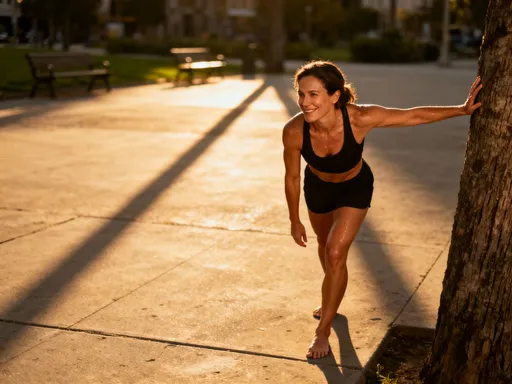
Begin with a 2-minute dynamic warm-up to increase circulation and prepare tissues. Perform cat-cow movements on all fours, moving slowly between arching the back and rounding it, coordinating with breath. This gently mobilizes the spine and activates core muscles. Follow with 30 seconds of arm circles forward and backward to warm up the shoulders. Then, stand and perform 10 leg swings per leg, holding onto a wall for balance. Swing one leg forward and back, then side to side, keeping movements controlled. These dynamic actions prime the hip joints for deeper stretching.
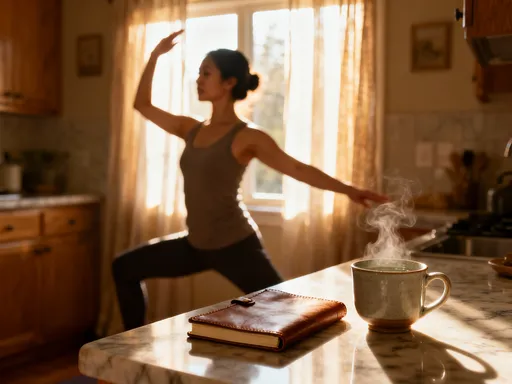
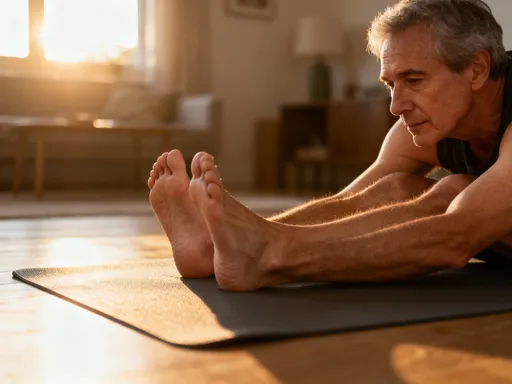
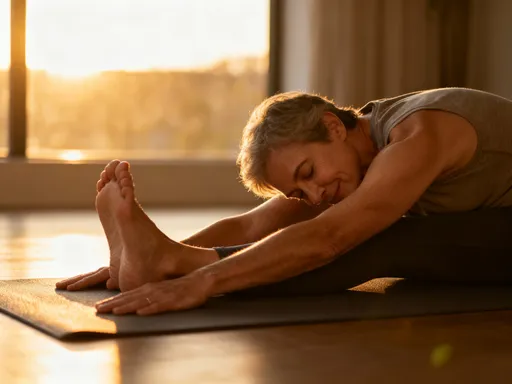
Next, transition to active stretches. Spend one minute in a kneeling hip flexor stretch: step one foot forward into a lunge, lower the back knee, and gently press the hips forward while keeping the torso upright. This targets the front of the hip and improves pelvic alignment. Switch sides after 30 seconds. Follow with a seated forward fold: sit with legs extended, inhale to lengthen the spine, and exhale to hinge from the hips, reaching hands toward the feet. Keep the back straight rather than rounding. Hold for 45 seconds, breathing deeply. Finish with a shoulder stretch — bring one arm across the body and use the opposite arm to gently press it closer to the chest. Hold for 30 seconds per side.
For best results, perform this routine daily, ideally in the morning to combat stiffness or after a walk when muscles are warm. Consistency is more important than timing, so choose a window that fits your routine. Over time, you’ll notice improved ease in daily movements — less creakiness when standing up, smoother bending, and reduced tension in the neck and back. This routine isn’t flashy, but its simplicity and sustainability make it effective.
How to Pair Flexibility with Strength for Real Results
Flexibility without strength can lead to instability. Imagine a rubber band stretched too far — it loses tension and snaps back unpredictably. Similarly, increasing range of motion without building control around new positions can increase injury risk. Joints need muscular support to move safely through extended ranges. This is why pairing flexibility training with strength exercises is essential for functional improvement. Strength stabilizes the gains made through stretching, allowing the body to use new mobility in real-life activities like lifting, climbing stairs, or playing with grandchildren.
Simple bodyweight exercises can provide the necessary support. Glute bridges, for example, strengthen the posterior chain while complementing hip flexor stretches. Lie on your back with knees bent, feet flat on the floor. Press through the heels to lift the hips, squeezing the glutes at the top. Perform 2 sets of 12 repetitions. This not only builds strength but also improves pelvic alignment, reducing lower back strain. Bodyweight squats are another foundational movement. Stand with feet shoulder-width apart, lower slowly as if sitting in a chair, keeping the chest up and knees tracking over toes. Rise back up with control. Do 2 sets of 10 reps. This exercise enhances both hip and ankle mobility while building leg strength.
Plank variations add core stability, which supports spinal flexibility. Start with a basic forearm plank: rest on forearms and toes, keeping the body in a straight line from head to heels. Hold for 20 to 30 seconds, engaging the abdominal muscles. As strength improves, increase duration or try side planks to engage obliques. These exercises create a balanced foundation, ensuring that improved flexibility translates into better posture, balance, and coordination. When strength and flexibility work together, movement becomes more efficient and less taxing on the body.
Tracking Progress: Beyond the Mirror and the Mat
Progress in flexibility is not always visible. Unlike weight loss or muscle gain, increased range of motion doesn’t always show in the mirror. Relying solely on appearance can be discouraging, especially in the early stages when changes are subtle. Instead, focus on functional improvements — the ways your body feels and moves differently. Many people report better sleep after starting a regular stretching routine, likely due to reduced muscle tension and improved circulation. Others notice they can reach higher in the closet, sit more comfortably during long drives, or get up from the floor more easily. These small victories are meaningful indicators of progress.
Simple tests can help measure changes objectively. The toe touch test is a common benchmark: stand with feet together and bend forward, reaching toward the toes without bending the knees. Track how close your hands get over time. Another test is the overhead reach: stand with one arm raised and bent behind the head, the other reaching up from below, and see how close the hands come to touching. This assesses shoulder and thoracic spine mobility. The squat test involves standing with feet shoulder-width apart and lowering into a full squat, keeping heels on the ground. Depth and ease of movement reflect hip, ankle, and core function. Repeating these tests every few weeks provides tangible feedback.
Keeping a flexibility journal can enhance motivation. Note how your body feels each day — energy levels, areas of tightness, ease of movement. Record small wins, like “bent down without holding the counter” or “slept through the night without leg cramps.” Over time, patterns emerge that reinforce the value of the practice. Journaling also helps identify setbacks, such as increased stiffness during periods of stress or illness, allowing for adjustments. This reflective approach turns flexibility training into a mindful habit, deepening the connection between body and mind.
Making Flexibility a Lifelong Habit, Not a Trend
Sustaining flexibility requires more than a temporary effort — it demands a shift in mindset. Many people approach stretching as a chore, something they “should” do but don’t enjoy. This mindset leads to inconsistency. The goal is to reframe the practice as a form of self-care, a daily gift that enhances comfort and independence. When you begin to associate stretching with how it makes you feel — more relaxed, more capable, more present — it becomes something you *want* to do, not something you force yourself to do. This internal motivation is far more powerful than external pressure.
Habit stacking can help embed stretching into daily life. Link the routine to an existing behavior, such as brushing your teeth or making morning tea. For example, after brushing, step into your 10-minute routine. The established habit acts as a cue, making the new behavior more automatic. Environmental cues also help — place a yoga mat in sight or set a daily phone reminder. Over time, these triggers reduce the mental effort needed to start. The less decision-making involved, the more likely the habit will stick.
The long-term payoff of consistent flexibility work is profound. It’s not about achieving a perfect pose or impressing others. It’s about maintaining the ability to move freely, care for yourself, and enjoy life’s physical moments — gardening, dancing, traveling, playing with children. As we age, mobility becomes a cornerstone of independence. Those who maintain flexibility and strength are less likely to experience falls, require assistance, or lose confidence in their bodies. Flexibility is not a luxury; it’s a form of resilience. By investing in it now, you’re building a foundation for a more comfortable, capable future.
True flexibility isn’t about touching your toes — it’s about moving through life with ease. By applying smart, sustainable exercise guidance, anyone can regain and maintain their range of motion. It’s not dramatic, but consistent effort leads to real transformation. Your body isn’t meant to stiffen with age — it’s meant to flow. Start small, stay steady, and let your flexibility grow naturally.