How I Found Calm in Chaos: My Qigong Wellness Journey
For years, I felt constantly drained—mentally foggy, physically stiff, emotionally on edge. I tried quick fixes, but nothing lasted. Then I discovered qigong, not as a trend, but as a quiet revolution in my daily life. It wasn’t magic, just consistent practice. This is how I built a sustainable wellness routine that actually fits real life. If you're overwhelmed and seeking balance, this isn’t a cure—it’s a way forward.
The Burnout That Started It All
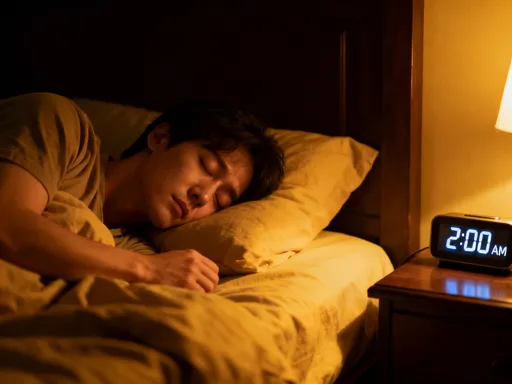
Modern life moves fast, and for many women in their 30s, 40s, and 50s, the weight of responsibility is constant. Between managing households, careers, aging parents, and children’s needs, personal well-being often slips through the cracks. The exhaustion isn’t just physical—it’s a deep, persistent fatigue that sleep doesn’t fix. You wake up tired, feel wired by midday, and crash by evening, yet your mind races when it’s time to rest. This state—being tired but alert—is a hallmark of chronic stress, and it’s more common than many realize.
For me, the breaking point came after a routine doctor’s visit. Bloodwork showed no serious illness, yet I felt far from healthy. I was doing what I thought was right: eating balanced meals, walking occasionally, trying to sleep enough. But I still felt disconnected—from my body, my energy, even my sense of self. Prescription medications offered temporary relief, but not restoration. I began to wonder: was there another way to support my body beyond treating symptoms?
That’s when I first encountered traditional Chinese medicine (TCM). Unlike Western medicine, which often focuses on diagnosing and treating specific conditions, TCM views health as a state of balance—particularly in the flow of qi, or vital energy. According to this centuries-old system, illness and fatigue arise not from isolated issues but from disruptions in the body’s natural rhythm. Stress, poor sleep, and emotional strain can all block or deplete qi, leading to the very symptoms I was experiencing. Instead of asking, “What’s wrong with me?” TCM encouraged me to ask, “How can I support my body’s natural ability to heal?”
Among the practices within TCM, qigong stood out. It wasn’t a drastic lifestyle change or an expensive supplement. It was simple, low-impact, and rooted in daily rhythm. Most importantly, it didn’t require me to “fix” myself—it invited me to reconnect. This subtle shift in perspective was the beginning of something lasting.
What Qigong Really Is (And Isn’t)
Qigong is often misunderstood. Some confuse it with yoga because of the slow movements. Others associate it with martial arts, given its historical roots. Still, others assume it’s just a form of meditation. While it shares elements with all three, qigong is its own distinct practice. At its core, qigong is the intentional cultivation of qi through coordinated body movement, breath regulation, and focused awareness. It’s a practice designed to strengthen, circulate, and balance energy—not just for healing, but for daily vitality.
The word “qigong” itself comes from two Chinese terms: “qi,” meaning life force or vital energy, and “gong,” meaning skill or practice. Together, they form “the practice of cultivating energy.” This practice has been part of Chinese healing traditions for over 2,000 years, used by healers, monks, and everyday people to maintain health and prevent disease. Unlike many modern wellness trends, qigong was never intended as a quick fix. It’s a lifelong discipline, gentle yet profound.
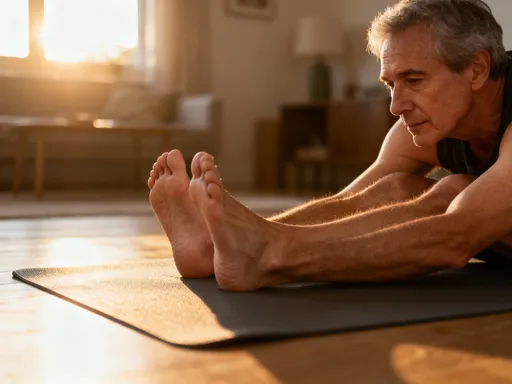
One of the most freeing aspects of qigong is its accessibility. You don’t need special equipment, a flexible body, or hours of free time. You don’t have to believe in Eastern philosophy or achieve a perfect state of mind. All you need is the willingness to show up and pay attention. Whether you’re recovering from illness, managing a busy schedule, or simply seeking more calm, qigong meets you where you are. It’s not about performance—it’s about presence.
There are thousands of qigong forms, ranging from dynamic movement sequences to still, meditative practices. Some are designed for specific health goals, like improving circulation or supporting digestion. Others focus on emotional balance or spiritual development. For beginners, the most effective forms are simple, repetitive, and easy to remember. These foundational practices build the habit of awareness and create the conditions for deeper benefits over time.
Why Routine Regularity Makes All the Difference
One of the biggest misconceptions about wellness is that intensity leads to results. We’re conditioned to believe that if we don’t push hard, we’re not doing enough. But when it comes to energy and nervous system regulation, consistency is far more powerful than intensity. A 10-minute qigong session every day has a greater cumulative effect than an hour-long practice once a week. This is not just anecdotal—it’s supported by neuroscience.
Our nervous systems thrive on rhythm. When we practice qigong regularly, even in small doses, we signal to the body that it’s safe to shift out of survival mode and into restoration. Over time, this repeated signal helps retrain the autonomic nervous system, reducing baseline stress levels and improving resilience. It’s similar to how daily dental hygiene prevents cavities—small, consistent actions prevent larger problems down the road.
Think of your energy like a smartphone battery. If you let it drain to zero every day and only charge it occasionally, performance suffers. But if you plug it in each night, even briefly, it stays functional and reliable. Qigong works the same way. Daily practice, no matter how brief, keeps your internal energy reserves replenished. The goal isn’t perfection—it’s sustainability.
Building this kind of routine doesn’t require motivation; it requires structure. Motivation fades, especially when you’re tired or overwhelmed. But habits, once established, operate on autopilot. That’s why starting small is essential. A two-minute breathing exercise in the morning, a three-minute stretch before bed—these micro-practices are the building blocks of lasting change. They’re so simple that skipping them feels more effortful than doing them.
My Morning Flow: A Simple 10-Minute Routine
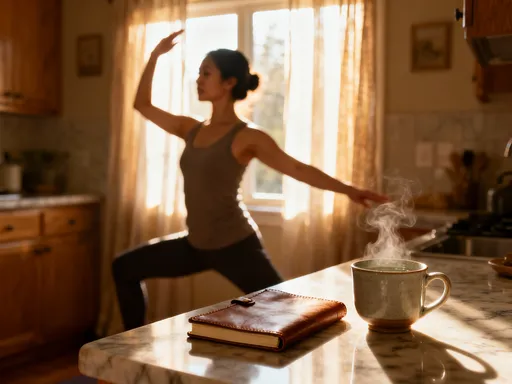
After experimenting with different forms, I settled on a short morning sequence that I can do without leaving my bedroom. It takes about 10 minutes and sets the tone for the entire day. I don’t do it perfectly—some days my movements are stiff, my breath shallow. But I do it consistently, and that’s what matters.
The routine begins with gentle warm-ups: neck rolls, shoulder circles, and wrist and ankle rotations. These small movements wake up the joints and prepare the body for deeper flow. They also serve as a signal to the mind: “This is a moment of care.” No multitasking, no planning the day—just attention to sensation.
Next is the “Lifting the Sky” movement. Standing with feet shoulder-width apart, I inhale slowly as I raise my arms in front of me, then overhead, as if gently lifting a weightless sphere. At the peak of the motion, I pause, then exhale as I lower my hands back down, palms facing the earth. This movement activates the central meridian, a key energy pathway that runs from the base of the spine to the crown of the head. It feels like stretching an invisible thread through the body, creating space and alignment.
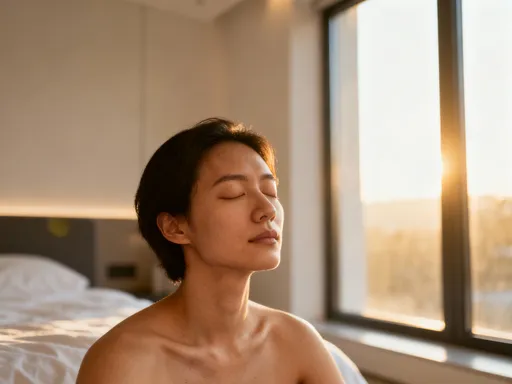
After three to five rounds, I shift into abdominal breathing. I place one hand on my belly and breathe deeply, feeling it rise with the inhale and fall with the exhale. This isn’t forced breathing—it’s about returning to the natural rhythm of a child or sleeping adult. Diaphragmatic breathing stimulates the vagus nerve, which helps calm the nervous system and reduce stress hormones.
The final movement is the “Bear Step,” a slow, grounded walk in place. I lift one knee slightly, step down with the whole foot, and shift my weight fully before repeating on the other side. It’s a simple motion, but it fosters stability and presence. I imagine roots growing from my feet into the earth, anchoring me. This part of the practice reminds me that wellness isn’t about escaping life’s demands—it’s about standing firmly within them.
Breath as Your Anchor: The Forgotten Superpower
If there’s one tool that transforms qigong—and daily life—it’s the breath. Most of us breathe shallowly, using only the upper chest. This type of breathing signals stress to the brain, keeping the body in a low-grade fight-or-flight state. In contrast, slow, deep abdominal breathing activates the parasympathetic nervous system, the body’s “rest and digest” mode. It’s one of the fastest, most accessible ways to shift your physiology.
In qigong, breath is not just a background function—it’s the conductor of energy. Every movement is synchronized with the breath, creating a rhythm that calms the mind and nourishes the organs. A simple way to begin is to practice “belly breathing” for just two minutes. Lie on your back or sit comfortably, one hand on your chest, the other on your belly. Inhale through the nose, letting the belly rise while the chest stays still. Exhale slowly through the mouth or nose, feeling the belly fall. Repeat for a few cycles.
What makes breath so powerful is its portability. You can practice it anywhere—while waiting for the kettle to boil, standing in line, or sitting at your desk. I’ve learned to pair it with daily triggers: before checking my phone in the morning, after hanging up a stressful call, or while folding laundry. These micro-moments of awareness add up, creating a background of calm even on hectic days.
Over time, this practice changes your relationship with stress. Instead of reacting automatically—rushing, tensing, worrying—you develop a pause. In that pause, you remember: I can breathe. I can return to center. This isn’t avoidance—it’s regulation. And that small space of choice is where resilience begins.
Integrating Qigong Into Real Life (Without Adding Stress)
One of the most common reasons people give up on wellness practices is that they feel like another item on an already overflowing to-do list. The irony is that something meant to reduce stress ends up adding to it. That’s why integration, not addition, is key. Qigong isn’t something you “find time for”—it’s something you weave into the fabric of your day.
Start by identifying natural pauses. These are moments already built into your routine: waiting for the microwave, sitting in the car before starting the engine, standing in the shower. These seconds and minutes add up. Use one of them to take three deep breaths, roll your shoulders, or gently stretch your neck. These aren’t “qigong sessions”—they’re moments of presence disguised as routine.
Habit stacking is another effective strategy. Link a qigong practice to something you already do consistently. For example, after brushing your teeth, stand in front of the mirror and do one round of “Lifting the Sky.” Or while your coffee brews, practice abdominal breathing at the counter. These small pairings make the practice automatic over time.
Privacy can also be a concern, especially in busy households. If you can’t step away, adapt. You don’t need to perform full movements to benefit. Focus on the breath while sitting at the dinner table. Practice mindful listening during conversations—this is a form of qigong too, as it cultivates presence and energy awareness. The goal isn’t performance; it’s integration.
And if you miss a day? That’s normal. Guilt is not part of the practice. Qigong teaches self-compassion as much as it teaches movement. Return whenever you can, without judgment. The practice will always be there, waiting not with demands, but with quiet invitation.
The Shifts I Didn’t Expect—And Why I Keep Going
The changes I’ve experienced since beginning qigong haven’t been dramatic, but they’ve been meaningful. I sleep more deeply. My mind feels clearer in the afternoons. I notice tension earlier and can release it before it turns into a headache. Emotional ups and downs still happen, but they don’t pull me under the way they used to. I feel more connected to my body—not as something to fix, but as a trusted companion.
None of these shifts happened overnight. They emerged slowly, like seasons changing. There was no single breakthrough moment—just the accumulation of small, consistent choices. I didn’t set out to transform my life; I just wanted to feel less exhausted. Yet, in showing up for myself in these quiet ways, transformation happened anyway.
What I’ve come to appreciate most is that qigong isn’t a destination. It’s not something you “complete” or master. It’s a practice, a relationship with your energy that deepens over time. Some days it feels effortless; others, it’s a struggle to focus. But each session, no matter how brief, is an act of care. It’s a way of saying, “I am worth this moment.”
For anyone feeling overwhelmed, I don’t promise miracles. I don’t claim qigong will cure illness or erase stress. What I can say is this: it offers a different way of being. It teaches you to slow down without falling behind, to rest without guilt, to move without strain. It’s not about doing more—it’s about being present. And in a world that never stops demanding, that presence is revolutionary.
If you’re considering starting, my only advice is to begin small. Try one minute of mindful breathing today. Notice how it feels. Tomorrow, add another. Consult your healthcare provider if you have medical concerns, but don’t wait for perfect conditions. You don’t need special clothes, a quiet room, or hours of time. You just need your breath and your willingness to begin.
Wellness isn’t about grand gestures—it’s built in quiet, repeated moments. Qigong taught me that true vitality comes not from pushing harder, but from showing up gently, day after day. This practice isn’t about escaping life’s chaos, but finding calm within it. If you’re ready to nurture your energy the traditional way, begin where you are. Your breath is already waiting.