Why I Started Feeling Like Myself Again — A Beginner’s Take on Balancing Life with Traditional Chinese Wellness
For years, I felt constantly drained—tired even after sleep, stressed without reason, and out of sync with my body. I didn’t know it then, but my qi was off. That’s when I turned to traditional Chinese medicine (TCM) not for cure, but for balance. No magic fixes, just small, daily shifts. This isn’t about replacing modern medicine—it’s about listening to my body. What I found? A calmer mind, better energy, and real improvements in how I live every day. It wasn’t one dramatic change but a series of gentle adjustments that helped me reconnect with myself. What began as curiosity grew into a sustainable approach to wellness—one rooted in awareness, rhythm, and respect for the body’s natural signals.
The Breaking Point: When "Normal" Didn’t Feel Normal Anymore
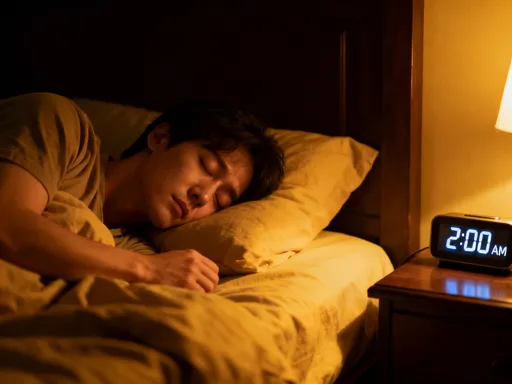
There was no single crisis, no hospital visit or diagnosis—just a slow erosion of vitality. Mornings became battles. Even after eight hours of sleep, I woke up feeling as though I hadn’t rested at all. My mind was foggy, my energy flat, and small tasks felt overwhelming. I drank coffee to wake up, wine to wind down, and relied on willpower to push through the day. Friends would say, “You’re just busy,” or “That’s life after 40,” and I believed them. But deep down, I knew this wasn’t how I was meant to feel.
Doctors ran tests. Blood work came back normal. Thyroid levels were fine. No anemia, no hormonal imbalances—nothing the lab could pinpoint. Yet, I wasn’t well. I was fatigued, irritable, and emotionally brittle. I began to question whether wellness was even possible outside of illness. That’s when I stumbled upon a concept that would shift my perspective: imbalance. In traditional Chinese medicine, health isn’t just the absence of disease—it’s the presence of harmony. The body is seen as an interconnected system where energy, or qi, flows through channels called meridians. When qi is blocked or deficient, symptoms arise—not necessarily as illness, but as subtle signs of disharmony.
TCM also emphasizes the balance of yin and yang—opposing yet complementary forces—and the preservation of jing, often described as our essential life force or constitutional energy. Unlike Western medicine, which often focuses on treating specific symptoms, TCM looks at the whole person: physical, emotional, and environmental factors. I didn’t need a diagnosis to begin healing. I needed a new framework—one that honored how I felt, not just what tests could measure.
First Steps: My First Encounter with TCM Principles
I didn’t dive into acupuncture or herbal formulas right away. Instead, I started with education. I read books written by licensed TCM practitioners, attended a community workshop, and eventually scheduled a consultation with a certified herbalist trained in both Eastern and Western traditions. What surprised me most was how non-prescriptive the approach felt. Rather than being told what was “wrong” with me, I was asked questions about my sleep patterns, digestion, emotional state, and even my tolerance for cold or heat. The practitioner explained that TCM doesn’t categorize people by disease but by constitutional type—patterns of imbalance unique to each individual.
She described how the liver, for example, isn’t just a physical organ but a system linked to emotions like frustration and anger. The spleen isn’t only about digestion but also about how we process thoughts and experiences. This mind-body connection was revolutionary to me. For the first time, my irritability wasn’t just “stress”—it was a signal. My afternoon fatigue wasn’t laziness—it was a clue. The goal wasn’t to suppress these feelings but to understand their roots and support the body’s ability to rebalance.
I left that first session not with a stack of prescriptions, but with curiosity. I wasn’t looking for a cure. I was seeking understanding. And that shift in mindset—from fixing to listening—became the foundation of my journey. I began to see my body not as a machine that needed repairs, but as a living system that communicated constantly, if only I would pay attention.
Diet Shifts: Eating According to My Body, Not Trends
One of the most practical and immediate changes I made was in my diet. I had spent years chasing the latest nutrition trends—low-fat, low-carb, intermittent fasting—always measuring success by the scale. But TCM offered a different lens: food as medicine. Instead of focusing on calories or macronutrients, I began to consider the energetic qualities of what I ate. In TCM, foods are classified by their thermal nature—whether they are warming, cooling, or neutral—and their effect on the body’s internal environment.
I learned that cold foods and drinks, like iced water or raw salads, can weaken the digestive fire, especially in people who already feel cold or sluggish. This resonated deeply. I realized I often drank ice water with meals, believing it was healthy, but I also struggled with bloating and slow digestion. On the advice of my practitioner, I switched to room-temperature or warm water, especially in the morning and with meals. Within weeks, my digestion improved. I felt lighter, more energized, and less prone to afternoon crashes.
I also began to eat more seasonally and locally, aligning with TCM’s principle of living in harmony with nature. In winter, I incorporated more root vegetables, soups, and warming spices like ginger and cinnamon. In summer, I added cooling foods like cucumbers and melons—but in moderation, to avoid dampness, a TCM concept linked to sluggishness and fluid retention. I stopped obsessing over labels and started tuning into how food made me feel. Did it leave me energized or drained? Did it support clarity or contribute to fog? This intuitive approach felt sustainable and deeply personal.
Daily Routines: Tiny Habits That Made a Difference
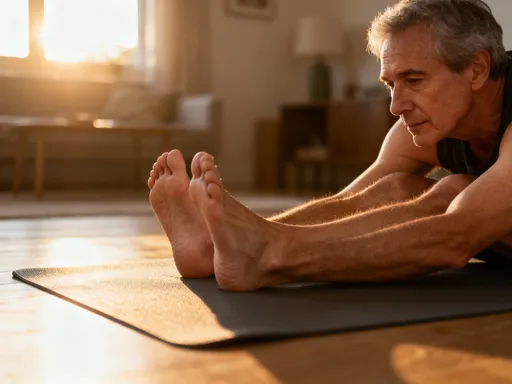
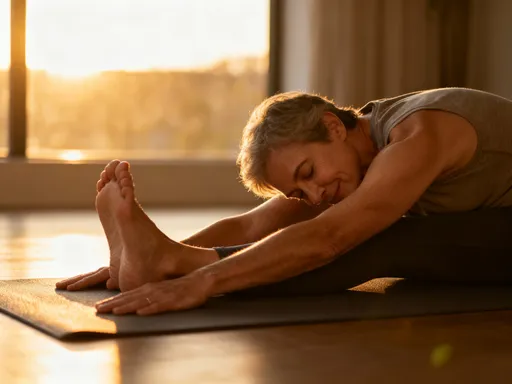
Big transformations rarely come from big actions, but from small, consistent ones. I began integrating simple TCM-inspired practices into my daily routine—none of them time-consuming, but all of them meaningful. Each morning, I started with five minutes of gentle Qi Gong, a form of mindful movement that helps circulate qi. I focused on slow, flowing motions—raising my arms with the breath, twisting gently at the waist, tapping lightly along the meridians. It wasn’t exercise in the conventional sense, but it awakened my body in a way stretching or cardio never had.
Throughout the day, I used acupressure to manage stress. I learned to press the point between my eyebrows—known as Yintang—to calm the mind, or the sensitive spot on the webbing between thumb and forefinger—LI4—to relieve tension headaches. These small acts gave me a sense of agency. Instead of reaching for pain relievers or scrolling through my phone when overwhelmed, I had tools that connected me to my body.
At night, I established a wind-down ritual. I turned off screens an hour before bed, sipped a cup of warm herbal tea, and spent a few minutes journaling. I also began observing my tongue each morning—a simple TCM practice for assessing internal health. A pale tongue might suggest qi deficiency, while a thick coating could indicate dampness. These observations weren’t diagnostic, but they helped me notice patterns. For example, after a week of rich foods and poor sleep, my tongue would look different—and that became a gentle reminder to reset.
Mind-Body Connection: How Emotions Affect Physical Wellness
One of the most profound insights from TCM is that emotions are not separate from physical health—they are part of it. Each organ system is associated with a particular emotion: the liver with anger, the heart with joy (and anxiety), the lungs with grief, the spleen with overthinking, and the kidneys with fear. This doesn’t mean emotions cause disease, but that chronic emotional patterns can disrupt the flow of qi and affect organ function over time.
I began to notice how my body responded to my emotional state. When I was under work pressure, I’d feel tightness in my shoulders—a sign, in TCM, of liver qi stagnation. After a difficult conversation, I’d experience a dry throat and shallow breathing, linked to the lungs and unresolved grief. These weren’t coincidences. They were messages. Instead of ignoring them, I started to pause and ask, “What am I feeling? What do I need right now?”
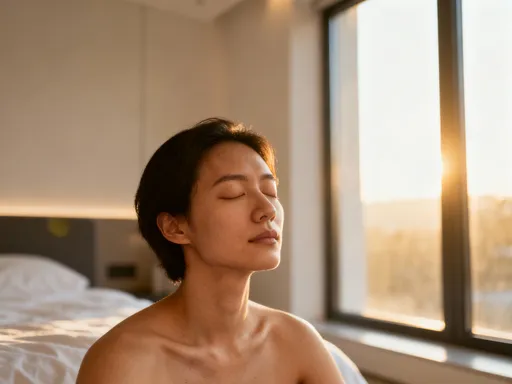
Breathwork became a bridge. I practiced diaphragmatic breathing—slow, deep inhales that expanded my belly—several times a day. This simple act signaled safety to my nervous system and helped move stagnant qi. I also incorporated mindful pauses: stopping mid-afternoon to step outside, feel the sun, and reset. These moments didn’t solve my problems, but they restored a sense of balance. I learned that emotional wellness isn’t about suppressing feelings, but about allowing them to move through—like qi—without getting stuck.
What Science Says: Bridging Tradition and Modern Understanding
While TCM is rooted in centuries of observation, modern science is beginning to validate many of its principles. Research supports the benefits of mindfulness and breathwork for reducing stress and improving emotional regulation. Studies on circadian rhythms show that aligning daily routines with natural light cycles enhances sleep, metabolism, and immune function—echoing TCM’s emphasis on living in tune with nature’s cycles.
Likewise, the gut-brain axis—a major focus in contemporary medicine—mirrors TCM’s view of the spleen and stomach as central to both physical and mental well-being. The idea that digestion affects mood is no longer fringe; it’s science. Adaptogenic herbs, long used in traditional systems to help the body adapt to stress, are now being studied for their effects on cortisol levels and energy balance. While these herbs should be used with care and under professional guidance, their growing recognition reflects a shift toward integrative health.
It’s important to emphasize that TCM is not a substitute for medical care. If you have a health condition, you should consult a licensed physician. However, TCM can be a valuable complement—offering tools for prevention, resilience, and daily well-being. The key is integration: using traditional wisdom to support, not replace, modern medicine. Always seek care from qualified practitioners, whether for acupuncture, herbal consultations, or dietary advice.
Sustainable Balance: Making TCM Part of Real Life
Two years into this journey, I can say with honesty that I don’t follow TCM perfectly. There are days I drink iced coffee. Nights I stay up too late. Weeks when life gets busy and my routines slip. But the difference now is awareness. I notice when I’m out of balance. I feel the early signs—fatigue, irritability, digestive discomfort—and I respond with kindness, not punishment.
Some practices stuck. Morning Qi Gong, warm meals, and breathwork are now non-negotiables. Others, like daily tongue checks, faded when they no longer served me. That’s okay. Wellness isn’t about rigid adherence; it’s about responsiveness. I’ve learned to adapt TCM principles to my life, not the other way around. For example, I don’t have time for hour-long meditation, but I do three minutes of mindful breathing while waiting for the kettle to boil. That counts.
The changes haven’t been dramatic, but they’ve been real. I sleep more soundly. My energy is steadier. I handle stress with more grace. Most importantly, I feel more like myself—calmer, clearer, and more connected to my body. This path isn’t about achieving perfection. It’s about cultivating presence. It’s about making small, consistent choices that honor my health, not just react to illness.
Wellness isn’t a destination. It’s a daily practice. Traditional Chinese medicine gave me a framework for living with more harmony—not by overhauling my life, but by tuning into it. I didn’t need to erase fatigue or stress; I needed to understand them. By listening instead of pushing through, I found a quieter, more sustainable way to thrive. This approach may not be for everyone, but for those who feel “off” without a clear cause, it offers a compassionate, thoughtful path forward. With care, curiosity, and professional guidance, it might just help you feel like yourself again.