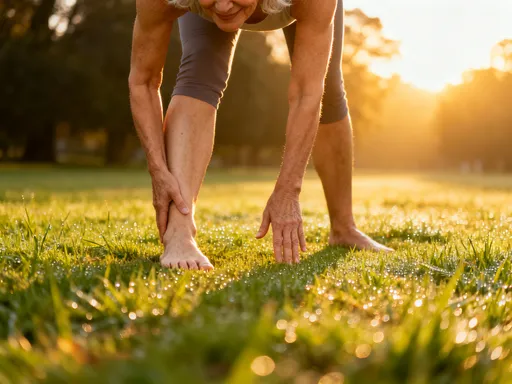
Why I Turned Back Time with Science-Backed Moves
Aging isn’t something we can stop—but what if we could slow it down from the inside out? After noticing fatigue, stiffness, and slower recovery, I dove into research-backed exercise strategies that target aging at a cellular level. It’s not about looking younger; it’s about feeling stronger, sharper, and more alive. These aren’t flashy workouts—they’re proven methods that support longevity, energy, and mobility. Here’s what actually works, according to science.
The Real Signs of Aging Nobody Talks About
When most people think of aging, they picture fine lines, gray hair, or the need for reading glasses. But beneath the surface, far more significant changes are taking place—changes that begin as early as the mid-30s and quietly shape long-term health. These include a gradual decline in muscle mass, known as sarcopenia, reduced mitochondrial function, increased systemic inflammation, and stiffer joints that limit mobility. Unlike visible signs, these internal shifts don’t announce themselves with mirrors or photos. Instead, they show up as persistent fatigue, slower recovery after physical effort, or difficulty keeping up with daily activities that once felt effortless.
What many don’t realize is that chronological age—the number of years since birth—is not the full story. More telling is biological age, a measure of how well your cells, organs, and systems are functioning compared to your calendar age. Two women can both be 48, yet one may have the cellular health of a 40-year-old while the other’s body behaves like that of a 58-year-old. This difference hinges on lifestyle factors, and among them, physical activity stands out as one of the most powerful levers. Research from the Mayo Clinic and the American College of Sports Medicine consistently shows that regular, intentional movement can delay or even reverse markers of biological aging.
Chronic inflammation, for instance, is now recognized as a key driver of age-related conditions, from joint pain to cognitive decline. Exercise helps regulate inflammatory markers like C-reactive protein and interleukin-6, effectively calming the body’s internal alarm system. Similarly, mitochondrial health—the energy-producing capacity of cells—naturally declines with age, leading to low stamina and sluggish metabolism. But studies show that certain types of physical activity stimulate mitochondrial biogenesis, the creation of new energy factories within cells. These are not abstract concepts; they translate into real-life benefits: more energy, better sleep, and a stronger resilience against everyday stressors.
How Exercise Fights Aging from the Inside Out
At the cellular level, the human body is constantly engaged in a balance between damage and repair. Aging accelerates when damage outpaces the body’s ability to fix itself. Exercise, however, sends powerful signals that tip this balance in favor of renewal. One of the most well-documented mechanisms is its effect on telomeres—protective caps at the ends of chromosomes that shorten with each cell division. Shorter telomeres are associated with cellular aging and a higher risk of age-related diseases. But a landmark study published in the journal Preventive Medicine found that adults who engaged in regular physical activity had significantly longer telomeres than their sedentary peers—equivalent to being nine years younger biologically.
Beyond telomeres, exercise promotes autophagy, a cellular “cleanup” process where damaged proteins and organelles are broken down and recycled. Think of it as the body’s internal spring cleaning—essential for preventing the accumulation of cellular debris that contributes to aging. High-intensity efforts, in particular, have been shown to activate autophagy pathways, helping cells remain efficient and functional. This process is especially vital in tissues like muscle and brain, where performance depends on clean, well-maintained components.
Another critical pathway is insulin sensitivity. As we age, cells often become less responsive to insulin, leading to higher blood sugar levels and increased risk of metabolic syndrome. Physical activity improves insulin sensitivity by allowing glucose to enter muscle cells more easily, reducing the burden on the pancreas. This isn’t just about preventing diabetes; it’s about maintaining steady energy, reducing fat storage, and protecting organ health. Additionally, exercise reduces oxidative stress—the imbalance between free radicals and antioxidants in the body—by boosting the production of natural antioxidant enzymes. Together, these effects create a biological environment that resists deterioration and supports vitality well into later years.
The 3 Types of Movement That Actually Slow Aging
Not all exercise is created equal when it comes to longevity. While any movement is better than none, research highlights three distinct types of physical activity that, when combined, offer the most comprehensive anti-aging benefits: resistance training, high-intensity interval training (HIIT), and low-intensity steady-state (LISS) cardio. Each targets different aspects of cellular and systemic health, and together, they form a synergistic approach to maintaining function and resilience over time.
Resistance training, which includes bodyweight exercises, free weights, or resistance bands, is essential for preserving muscle mass and strength. After age 30, adults lose 3–8% of muscle mass per decade, and this accelerates after 60. Since muscle is metabolically active tissue, losing it slows metabolism and increases frailty risk. Strength training counters this decline by stimulating muscle protein synthesis and enhancing neuromuscular coordination. It also supports bone density, reducing the likelihood of fractures—a critical factor for long-term independence.
HIIT involves short bursts of intense effort followed by recovery periods. A typical session might include 30 seconds of sprinting or vigorous cycling followed by 90 seconds of slow movement, repeated for 10–20 minutes. Despite its brevity, HIIT has been shown to improve cardiovascular fitness, boost mitochondrial density, and enhance insulin sensitivity more effectively than moderate, continuous exercise. A study from McMaster University found that just three 20-minute HIIT sessions per week led to similar metabolic improvements as 150 minutes of traditional cardio over the same period.
LISS cardio—such as walking, swimming, or cycling at a conversational pace—supports circulation, joint lubrication, and recovery. It may not feel as intense, but its cumulative benefits are profound. LISS helps clear metabolic waste, reduces inflammation, and promotes lymphatic flow, all while being gentle on the joints. When combined with the other two types, it completes the movement triad: build strength, boost metabolism, and sustain mobility.
Why Strength Training Is Non-Negotiable After 30
For many women, especially those in their 30s and beyond, strength training carries misconceptions. Some fear it will lead to bulky muscles or believe it’s only for athletes. The truth is, resistance training is one of the most important habits for long-term health, regardless of age or fitness level. Muscle isn’t just about appearance; it’s a functional organ that influences metabolism, hormone regulation, and physical independence. As muscle mass declines with age, so does the body’s ability to manage blood sugar, regulate temperature, and respond to physical challenges.
Strength training helps preserve and even rebuild muscle tissue, slowing the natural decline that begins in midlife. It also supports hormonal balance by promoting healthy levels of growth hormone and testosterone—both of which play roles in energy, mood, and tissue repair. Unlike aerobic exercise, which primarily burns calories during the activity, resistance training creates an “afterburn” effect, where the body continues to expend energy during recovery. This means a higher resting metabolic rate, making it easier to maintain a healthy weight without drastic dieting.
A simple routine can include bodyweight squats, push-ups (modified on the knees if needed), lunges, and planks. Adding dumbbells or resistance bands increases intensity over time. The key is consistency—aiming for two to three sessions per week, allowing at least one day of rest between workouts for muscle recovery. Proper form is more important than heavy lifting; focusing on controlled movements reduces injury risk and ensures the right muscles are engaged. Over time, women who strength train report not just improved strength, but better posture, reduced joint pain, and greater confidence in daily tasks—from carrying groceries to playing with grandchildren.
The Truth About HIIT: Short Bursts, Long Benefits
High-intensity interval training often gets a bad reputation for being too extreme or risky, especially for those new to fitness. But when done safely and appropriately, HIIT is one of the most time-efficient and biologically effective forms of exercise for slowing aging. The principle is simple: push the body close to its maximum effort for a short period, then allow it to recover. This cycle triggers powerful physiological adaptations, including improved cardiovascular endurance, enhanced fat burning, and increased production of mitochondria in muscle cells.
One of the most compelling benefits of HIIT is its impact on VO2 max—the maximum amount of oxygen the body can use during intense exercise. VO2 max is a strong predictor of longevity; studies show that individuals with higher cardiorespiratory fitness live longer and have lower risks of heart disease, stroke, and cognitive decline. Remarkably, HIIT can improve VO2 max faster than steady-state cardio. A review in the British Journal of Sports Medicine concluded that HIIT produced nearly double the improvement in VO2 max compared to moderate continuous training over the same timeframe.
Safety is crucial. HIIT should not mean reckless exertion. A beginner-friendly approach might include 20 seconds of fast marching in place or jumping jacks, followed by 40 seconds of slow walking, repeated for 10 rounds. As fitness improves, intervals can be adjusted. The goal is to reach a point where speaking is difficult during the high-intensity phase, but not impossible. This method respects joint health and avoids overtraining, making it sustainable. For women balancing family, work, and personal time, the efficiency of HIIT—just 10 to 15 minutes, two to three times a week—makes it a practical choice with outsized benefits.
Don’t Skip the Slow Stuff: The Power of Daily Movement
In the pursuit of fitness, many overlook the importance of low-intensity, everyday movement. Yet, research increasingly shows that how we move throughout the day matters just as much as structured workouts. Sedentary behavior—sitting for long periods without breaks—is independently linked to higher risks of cardiovascular disease, insulin resistance, and premature mortality, even among those who exercise regularly. The body is designed to move frequently, not just intensely.
Low-intensity steady-state (LISS) activities like walking, gardening, stretching, or light housework play a vital role in maintaining circulation, joint flexibility, and mental well-being. Walking, in particular, has been called the “perfect exercise” by the American Heart Association. Just 30 minutes a day at a moderate pace can reduce blood pressure, improve mood, and support brain health. Unlike high-impact workouts, walking is accessible at any age and requires no special equipment.
Experts recommend incorporating “movement snacks” into the day—short bursts of activity every hour. This could mean standing while talking on the phone, doing calf raises while brushing teeth, or taking a five-minute walk after meals. These small actions add up, helping to regulate blood sugar, reduce stiffness, and keep the lymphatic system active. Stretching, especially after sitting or before bed, enhances range of motion and reduces the risk of injury during more intense activities. Together, these low-effort, high-impact habits create a foundation of daily vitality that complements structured exercise and slows the progression of age-related decline.
Putting It All Together: A Realistic Routine That Works
Longevity doesn’t require extreme measures or hours in the gym. What it does require is consistency, balance, and a commitment to movement that supports the body’s long-term function. A realistic weekly plan might include two days of strength training (focusing on major muscle groups like legs, back, chest, and core), two short HIIT sessions (10–15 minutes each), and five to seven days of low-intensity movement such as 30-minute walks or active hobbies. The exact schedule can be adjusted based on energy levels, schedule, and personal preferences—what matters is regular engagement.
Progression is key. Start where you are, not where you think you should be. A beginner might begin with bodyweight squats and wall push-ups, gradually adding resistance as strength improves. HIIT can start with 20-second efforts and longer recovery periods, slowly increasing intensity over weeks. Walking can begin with 10 minutes and build toward 30 or more. The goal is sustainable improvement, not perfection. Listening to the body is equally important—rest when needed, modify exercises to avoid pain, and prioritize recovery through sleep and hydration.
Before beginning any new exercise program, especially for those with existing health conditions, it’s important to consult a healthcare provider. This ensures safety and helps tailor the approach to individual needs. Supplements or specialized equipment are not required; bodyweight, household items, or affordable resistance bands can be effective tools. The focus should remain on movement as a form of self-care—a daily investment in energy, independence, and quality of life.
In the end, aging is inevitable, but how we age is not entirely out of our control. Science continues to reveal that physical activity is one of the most powerful tools we have to influence our biological trajectory. By combining strength, intensity, and daily motion, women can build a lifestyle that supports not just longer life, but better life. It’s not about turning back the clock in appearance, but in function—feeling capable, resilient, and fully alive at every stage. The choices we make today, one step, one rep, one breath at a time, shape the years to come. And that is a promise worth keeping.